Used Chiller Buyers in Jefferson Parish, Louisiana
Offer and removal scope
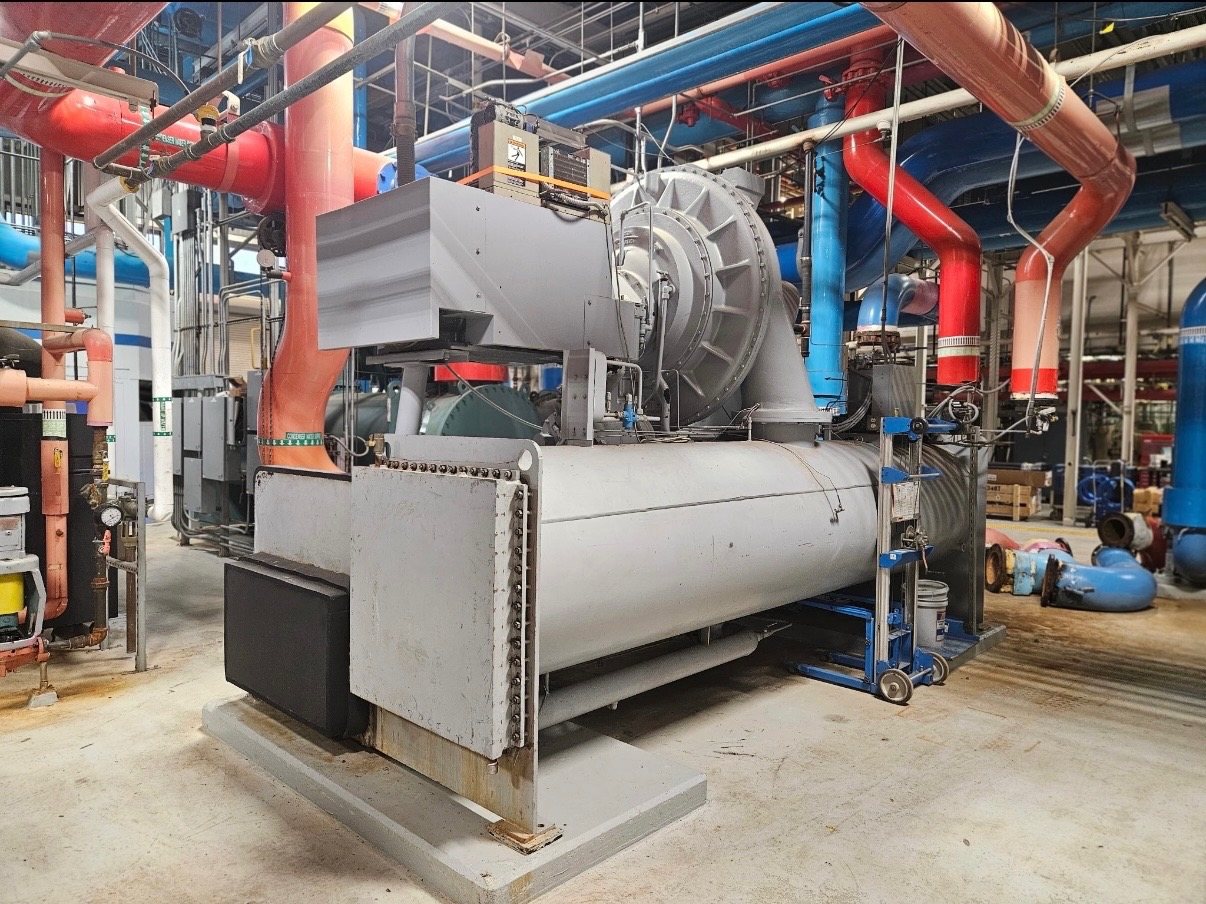
If you have a surplus industrial chiller in Jefferson Parish, Louisiana, we buy chillers rather than sell them. Share what you know for an upfront cash offer; no equipment testing is required. The buyer handles crane service, rigging, disconnects, refrigerant recovery, loading, hauling and freight, coordinating qualified personnel with the site. A precise inventory and an honest account of access restrictions help shape the removal plan.
Openings, turns and overhead limits
Identify where the chiller sits relative to the building entrance and loading area, then mention any known obstacles along that path. A narrow door, low pipe, tight turn or roof parapet may matter more than distance to the road. Provide existing measurements or photographs when permitted. The buyer's riggers verify the actual route and do not rely on an assumed clear opening.
Two very different measurements
When a record says tons, ask whether that figure describes cooling output for one unit or for a group. It is not the load weight for rigging. Supply physical dimensions and a documented shipping or operating weight if known, and specify whether protrusions and separate cabinets are included. If the document does not say, let the buyer know rather than filling the gap with an estimate.
The actual lifting constraints
If a unit is above grade or inside a constrained room, describe the possible route and any known structural or overhead limits. A safe photo of the surrounding area can help, along with unit-specific rigging documents. The buyer's rigging team assesses lift points, crane position and whether components can move as assembled. The seller is not expected to perform rigging or dismantling.
Freight begins at the gate
The buyer handles loading, hauling and freight as well as the rigging that gets the equipment to the truck. For planning, identify the actual loading area, gate width and any restrictions on large vehicles or staging. A regional highway may be nearby, but the last stretch into a property can still be constrained. The freight team assesses the actual route and load dimensions.
Start with the nameplate
Before compiling an equipment list, check whether the record identifies an individual chiller or the whole plant. Send the buyer the safest available photograph of the actual unit and its label, together with any matching schedule. A plate that is obscured or missing can be described honestly; do not remove a cover or enter a restricted area to obtain it.
Locating the equipment
Jefferson Parish is in greater New Orleans, with communities on both sides of the Mississippi River. If a river crossing affects the actual route, tell the freight team; a parish-wide description does not prove that any particular bridge is involved. Provide the street address, the unit's position on the property, and known gate, loading or security limits. These details help the buyer's freight and rigging teams assess the real path to the machine rather than plan from a parish name alone.
Describe the configuration
A nameplate tells only part of the story if controls, a starter or modules sit elsewhere. Identify the chiller in a wide photograph and indicate the components that belong to the proposed transaction. Note shared equipment or uncertainties. If the heat-rejection method or compressor type is unclear, available drawings and exterior photos are more useful than a confident guess.
What you can see safely
A photo of the whole machine, close views of visible wear and a short note about known faults provide useful context. If there was a shutdown or previous repair, include the date only when known and distinguish a recollection from a documented record. The buyer can review the information without asking you to run or test the chiller.
Plan the disconnects safely
Existing drawings and exterior photos can help identify electrical interfaces, including a remote starter or shared controls. Record plate voltage and phase only if safely visible; an unreadable value can remain unknown. The buyer arranges qualified electrical disconnects in coordination with the site, so there is no reason for the owner to expose conductors or test the system.
What remains connected?
Retiring one machine does not necessarily retire the entire loop. Ask the facility's authorized representative to identify shared piping and any systems that must continue operating, using existing drawings where possible. Describe known water or process-fluid interfaces to the buyer. Qualified personnel coordinate isolation and disconnects; the seller should not cut, drain or open connections to obtain an offer.
Keep the circuit closed
Refrigerant information affects the recovery plan, but the seller need not determine the contents by opening the circuit. Photograph safely visible labels and provide service or conversion records if they exist; tell the buyer about any known leak or missing information. The buyer arranges qualified recovery in coordination with the site. Never vent refrigerant or attempt to handle it yourself.
Keep remaining services in view
A chiller can be surplus while nearby systems remain essential. Ask the authorized facility representative to identify protected services, shared controls and the people who can approve access. The buyer arranges the work and coordinates the plan with the site, including any qualified disconnect and recovery personnel. Treat timing as subject to actual site approval, not a guaranteed removal date.
Start with what you know
A useful first message does not need every field completed. Identify the chiller and its location, send safe photographs and disclose known damage, missing records or access restrictions. The buyer provides an upfront cash offer without requiring equipment testing and handles the removal work in coordination with the site. Further details can be clarified as the actual scope is reviewed.