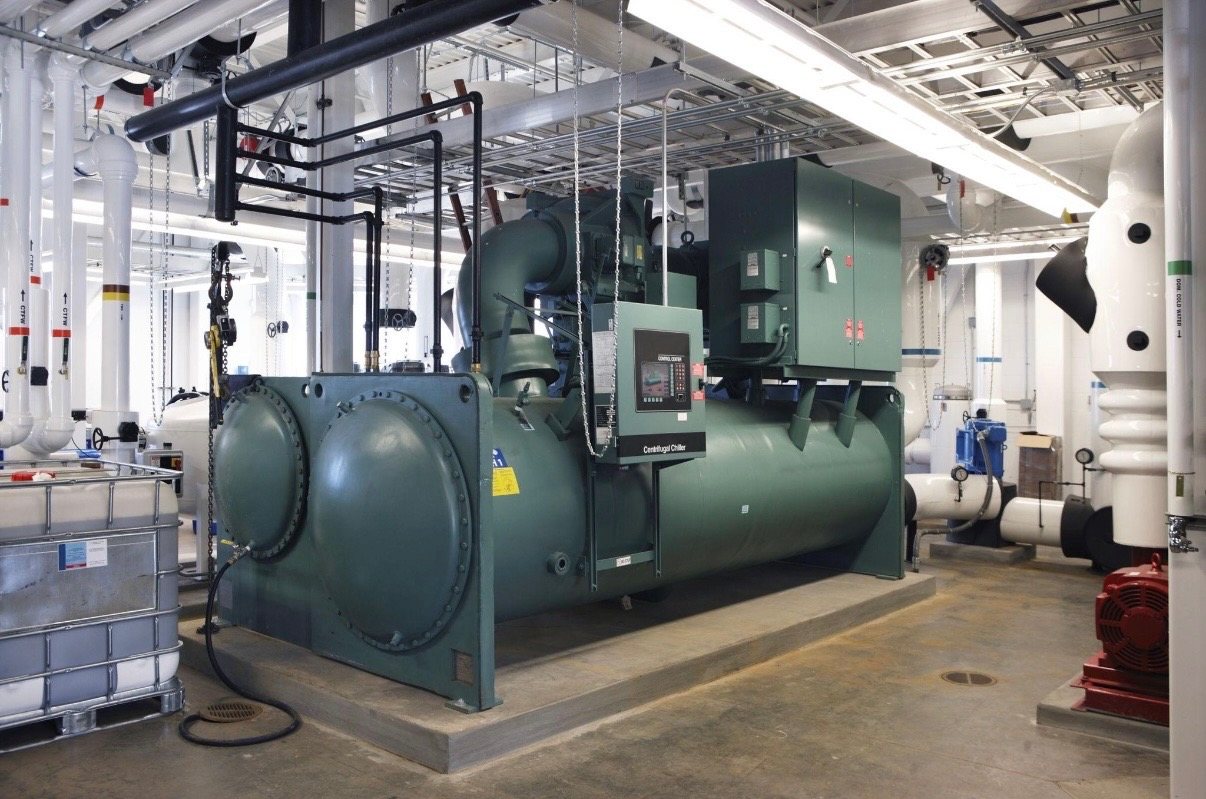
Used Chiller Buyers in Natchitoches Parish, Louisiana
Offer and removal scope
If you have a surplus industrial chiller in Natchitoches Parish, Louisiana, we buy chillers rather than sell them. Share what you know for an upfront cash offer; no equipment testing is required. The buyer handles crane service, rigging, disconnects, refrigerant recovery, loading, hauling and freight, coordinating qualified personnel with the site. A precise inventory and an honest account of access restrictions help shape the removal plan.
Keep remaining services in view
The facility controls access and knows which systems and areas must remain in service. Share the name or role of an authorized site contact, the approved access requirements and any shutdown window already established. The buyer coordinates disconnects, refrigerant recovery, rigging and freight with that contact. Do not assume a removal date until the necessary site and equipment details have been reviewed together.
One machine or several?
A list of assets is especially useful when one room contains multiple similar chillers. Pair each plate photo with a location and say which machine, modules and separate cabinets are included. Identify anything shared or excluded. A plant-wide schedule can accompany the list, but a combined cooling total should not be presented as the rating of each individual unit.
From parish to loading entrance
Natchitoches Parish is in north-central Louisiana along the Red River and near I-49. If a river crossing affects the actual route, tell the freight team; a parish-wide description does not prove that any particular bridge is involved. Provide the street address, the unit's position on the property, and known gate, loading or security limits. These details help the buyer's freight and rigging teams assess the real path to the machine rather than plan from a parish name alone.
Match the plate to the unit
A nameplate serves as an anchor for the discussion, not a reason to take equipment apart. From an accessible position, photograph the main plate and the machine around it; include model, serial and capacity only where legible. If the site has several similar chillers, label the photograph with the building and unit number so records are not accidentally matched to the wrong asset.
What is actually included?
A nameplate tells only part of the story if controls, a starter or modules sit elsewhere. Identify the chiller in a wide photograph and indicate the components that belong to the proposed transaction. Note shared equipment or uncertainties. If the heat-rejection method or compressor type is unclear, available drawings and exterior photos are more useful than a confident guess.
A useful condition history
It is fine to say that operating condition is unknown. Send the records the site already has, note visible exterior damage and identify components that are absent or excluded. Avoid drawing conclusions about internal condition from appearance alone. There is no need to energize the chiller, connect test equipment or remove covers in order to request an offer.
What remains connected?
Do not assume a nearby pipe can be drained just because the chiller is surplus. Other equipment may use the same loop, and a process line can require site-specific precautions. Share existing labels and drawings, or note that the contents are unknown. The buyer handles the disconnect work with qualified personnel and the facility's authorized team.
Identify shared power equipment
A separate power cabinet can affect both the sale scope and the removal route. If known, provide the nameplate voltage, phase and frequency and say whether the cabinet serves only this machine. Site personnel and the buyer's qualified disconnect team coordinate electrical isolation; never open a cabinet or attempt electrical work merely to gather details for the buyer.
When the charge is uncertain
Tell the buyer whether a refrigerant designation comes from a nameplate, a later conversion label or a service record. If the source is missing or the charge is unknown, say that plainly. The buyer handles recovery with qualified personnel. There is no reason for the seller to fit gauges, open a valve, mix refrigerants or release any contents.
Capacity is not shipping weight
Cooling tons describe capacity; they do not tell the freight team how much the machine weighs. Share the rated tons from the plate and the documented operating or shipping weight separately, if available. Give overall length, width and height, including projections, and say whether a separate cabinet has its own dimensions. Mark an estimate clearly instead of presenting it as a measured or documented figure.
Openings, turns and overhead limits
The first obstacle may be inside the building rather than on the road. Tell the buyer where the unit sits, how it is reached and where a truck might be allowed to load. Identify narrow openings, overhead obstructions and any restricted travel paths from existing measurements. The buyer's professional team verifies the route and determines the handling plan for the specific equipment.
Plan the lift around the site
The buyer handles the crane and rigging, with a professional lift plan based on the particular machine and site. Share documented weights, manufacturer lifting instructions and photos of visible lifting-point markings if available. Identify overhead wires, nearby structures, ground or floor limits and possible staging space. Do not select a lift point or attempt to separate components yourself; the rigger evaluates the actual conditions.
Loading and the road out
After the machine leaves its installed position, it still needs a safe staging place and a truck-accessible loading area. Share the location of gates, internal roads and any known overhead or vehicle restrictions. The buyer coordinates loading, hauling and freight. The freight team will evaluate the actual load dimensions and route rather than assuming that a nearby highway solves access inside the property.