Used Chiller Buyers in St. Charles Parish, Louisiana
A buyer for your chiller
Have a surplus industrial chiller in St. Charles Parish, Louisiana to remove? We are chiller buyers, and a test run is not required to request an upfront cash offer. The buyer handles crane service, rigging, disconnects, refrigerant recovery, loading, hauling and freight. Share the machine's visible details and the site's known restrictions so the work can be coordinated with authorized personnel.
From parish to loading entrance
St. Charles Parish is in mississippi River corridor west of New Orleans. If a river crossing affects the actual route, tell the freight team; a parish-wide description does not prove that any particular bridge is involved. Provide the street address, the unit's position on the property, and known gate, loading or security limits. These details help the buyer's freight and rigging teams assess the real path to the machine rather than plan from a parish name alone.
Agree on the work boundaries
A chiller can be surplus while nearby systems remain essential. Ask the authorized facility representative to identify protected services, shared controls and the people who can approve access. The buyer arranges the work and coordinates the plan with the site, including any qualified disconnect and recovery personnel. Treat timing as subject to actual site approval, not a guaranteed removal date.
Separate the assets that stay
If several chillers are available, list each machine separately with its location, model and rated capacity where known. Mark missing parts and distinguish individual modules from a complete bank. Identify control cabinets or other components included in the proposed purchase and anything that must stay. A separate line for each asset helps the buyer plan recovery, lifting and freight without confusing plant totals with unit ratings.
The details worth sending
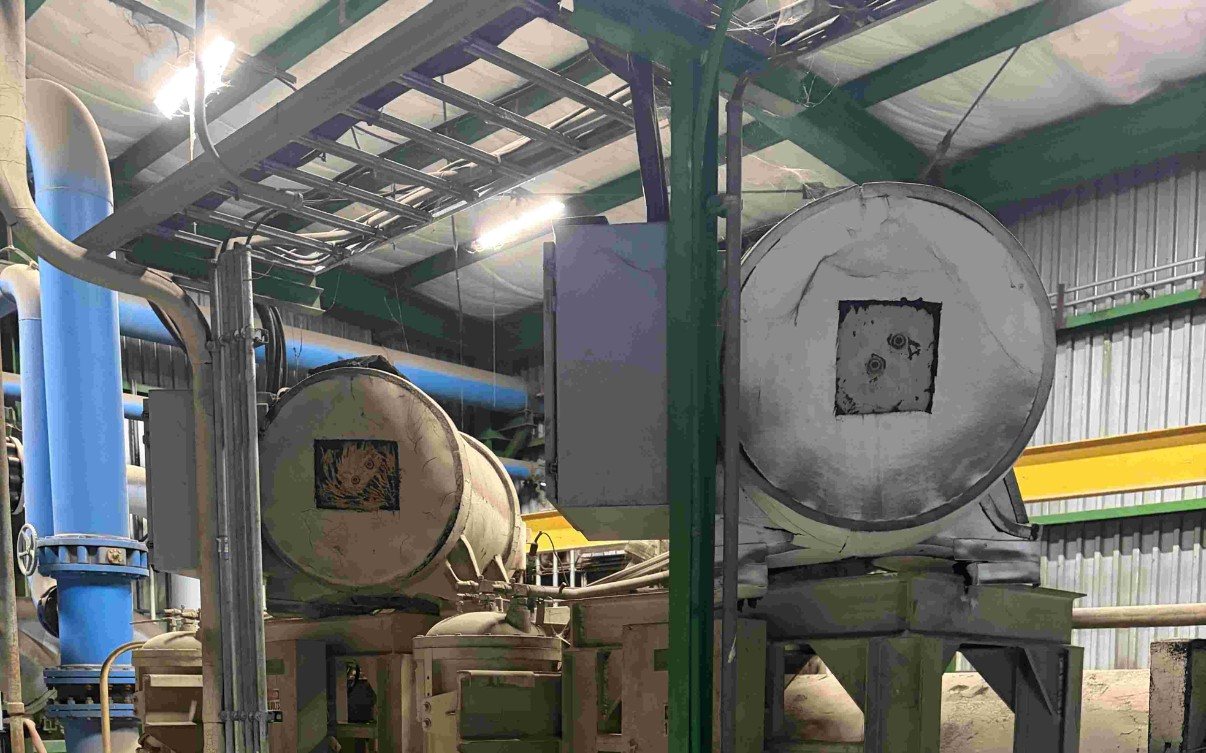
Match the chiller to its records before sending an equipment list. A photo of the complete machine and a close view of the nameplate help distinguish it from neighboring assets; an equipment schedule can fill some gaps. Tell the buyer when a model, serial number or capacity comes from a drawing rather than the actual plate, and leave uncertain details marked as such.
Describe the configuration
When there are several similar machines, identify the one that is surplus and photograph it in context. List any separate starter, drive, control or module that belongs to the proposed purchase, but do not assume a nearby component is part of it. A drawing or equipment schedule can show the arrangement; incomplete records are still useful when their gaps are identified.
Report condition without a test
A photo of the whole machine, close views of visible wear and a short note about known faults provide useful context. If there was a shutdown or previous repair, include the date only when known and distinguish a recollection from a documented record. The buyer can review the information without asking you to run or test the chiller.
Fluid connections and isolation
Drawings may show whether the chiller interfaces with building water, condenser water or a process circuit. Send what the site has and identify any lines believed to be shared with equipment that stays. The buyer's qualified disconnect team coordinates the work with authorized site personnel, who identify isolation boundaries and known fluid-handling or contamination requirements.
Electrical information for the team
A separate power cabinet can affect both the sale scope and the removal route. If known, provide the nameplate voltage, phase and frequency and say whether the cabinet serves only this machine. Site personnel and the buyer's qualified disconnect team coordinate electrical isolation; never open a cabinet or attempt electrical work merely to gather details for the buyer.
When the charge is uncertain
Tell the buyer whether a refrigerant designation comes from a nameplate, a later conversion label or a service record. If the source is missing or the charge is unknown, say that plainly. The buyer handles recovery with qualified personnel. There is no reason for the seller to fit gauges, open a valve, mix refrigerants or release any contents.
Two very different measurements
If a modular bank is involved, a building's total capacity can obscure the size of each piece. State how many modules are offered and which nameplate rating applies to each, if visible. The freight team also needs the actual outside dimensions and documented weight: a cooling ton is a capacity measure, not the weight of a shipping load.
From the chiller to the loading area
Access information can be provisional. Tell the buyer the known location of the equipment, possible loading zone and any measured opening, then identify the portions of the route that still need checking. Note nearby services or protected areas if known. The buyer's professional riggers coordinate with the facility before selecting a path; the seller need not move obstructions or disassemble the chiller.
The actual lifting constraints
The seller can help the lift team by providing existing drawings, documented component weights and a safe view of the equipment's surroundings. Mention known overhead lines, roof edges, floor limits or restricted staging areas. The buyer handles crane service and rigging, with professionals determining the lift method and acceptable setup for the actual unit rather than relying on an estimated load.
Where can the truck load?
A good freight discussion includes the equipment's documented weight, outside dimensions, gate location and space available to load. Identify narrow internal roads, overhead obstructions or restrictions on large vehicles if known. The buyer handles loading and hauling as part of the freight arrangement, while its team checks the actual route with the site. Cooling tons alone cannot establish transport requirements.