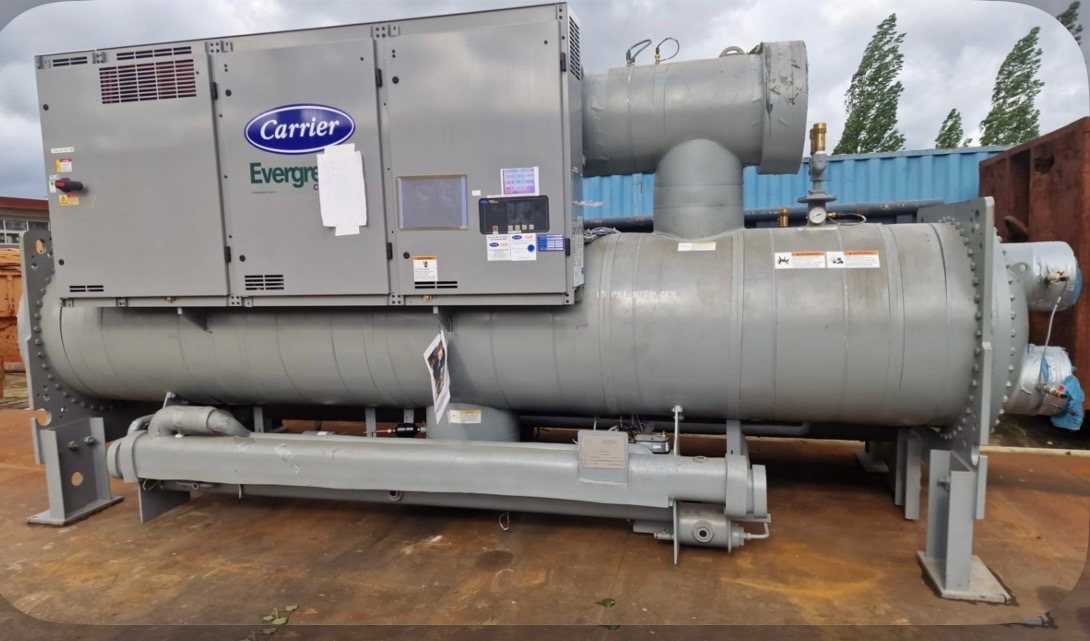
Chemical plant turnarounds Chiller Buyers in Bossier City, Louisiana
From surplus unit to removal
We purchase a surplus chiller associated with chemical plant turnarounds in Bossier City, Louisiana; we do not sell chillers. The process starts with an upfront cash offer based on the information available, with no equipment test required. The buyer handles crane service, rigging, disconnects, refrigerant recovery, loading, hauling and freight. Site staff and appropriately qualified personnel coordinate the work around actual equipment and facility constraints.
Plan from the real address
The regional context for Bossier City includes the east side of the Red River in the Shreveport–Bossier area. It is in Bossier Parish. Identify the site entrance and any river-crossing or access constraints relevant to the proposed freight route. A regional route or facility category cannot establish the conditions at a particular property. Provide the street address, building or yard location, and any known gate, loading or access restrictions for the actual chiller. Include the facility's approved access and outage requirements alongside the inventory, especially where other cooling equipment must stay in service.
Match the plate to the unit
A nameplate serves as an anchor for the discussion, not a reason to take equipment apart. From an accessible position, photograph the main plate and the machine around it; include model, serial and capacity only where legible. If the site has several similar chillers, label the photograph with the building and unit number so records are not accidentally matched to the wrong asset.
Identify the surplus equipment
Provide chiller nameplates and identify any process-fluid or secondary-loop connections from site records. Drawings or labels may distinguish ordinary chilled-water connections from process or secondary-fluid interfaces. If the service is unclear, provide the records and say so; a photo or brand name cannot establish the contents of a line.
A useful condition history
It is fine to say that operating condition is unknown. Send the records the site already has, note visible exterior damage and identify components that are absent or excluded. Avoid drawing conclusions about internal condition from appearance alone. There is no need to energize the chiller, connect test equipment or remove covers in order to request an offer.
Cooling tons and transport size
The buyer needs two different kinds of size information. Rated cooling tons describe performance, whereas transport planning depends on the actual length, width, height and documented weight of each piece. Explain whether a figure covers the whole chiller or a single module and whether a starter or other enclosure is separate. Do not estimate a load weight from cooling capacity.
Protect remaining operations
Ask authorized site personnel to identify contamination concerns and applicable isolation or decontamination requirements. The site must identify known contamination and its own isolation or decontamination requirements before a work plan is finalized. The buyer coordinates qualified disconnects rather than asking the seller to open or drain unknown lines.
Power and separate controls
Power information belongs in the inventory even when the chiller is already idle. Share a safe photo of the rating plate and existing electrical drawings if available; identify separate controls and missing information. The buyer handles electrical disconnects through qualified personnel, coordinated with the site's authorized staff. The seller should not switch, probe or dismantle electrical components to prepare for an offer.
What remains connected?
A photograph of visible piping can help the buyer understand the installation, but it cannot establish the contents of a line. Share labels, drawings and known site restrictions, including any process interface, and mark unknowns clearly. The buyer handles disconnects with qualified personnel in coordination with the facility's isolation and fluid-handling requirements.
Access and the approved work window
Coordinate lift paths, staging space and the removal window with the plant's turnaround team. A proposed lift path may cross active process areas or shared access routes. Explain the site's staging and work-window requirements so the buyer's riggers can assess them with authorized plant personnel rather than assuming an unobstructed move.
Refrigerant records and recovery
Refrigerant information affects the recovery plan, but the seller need not determine the contents by opening the circuit. Photograph safely visible labels and provide service or conversion records if they exist; tell the buyer about any known leak or missing information. The buyer arranges qualified recovery in coordination with the site. Never vent refrigerant or attempt to handle it yourself.
Openings, turns and overhead limits
The first obstacle may be inside the building rather than on the road. Tell the buyer where the unit sits, how it is reached and where a truck might be allowed to load. Identify narrow openings, overhead obstructions and any restricted travel paths from existing measurements. The buyer's professional team verifies the route and determines the handling plan for the specific equipment.
Information for the rigger
The seller can help the lift team by providing existing drawings, documented component weights and a safe view of the equipment's surroundings. Mention known overhead lines, roof edges, floor limits or restricted staging areas. The buyer handles crane service and rigging, with professionals determining the lift method and acceptable setup for the actual unit rather than relying on an estimated load.
Freight begins at the gate
If a unit or separate cabinet has to be staged before loading, tell the buyer what space the facility can make available and any restrictions on its use. Share measurements, documented weights and the route through the gate. The buyer arranges loading, hauling and freight; its personnel assess whether the proposed route and vehicle access are workable for the actual load.