Data center closures Chiller Buyers in Monroe, Louisiana
A buyer for your chiller
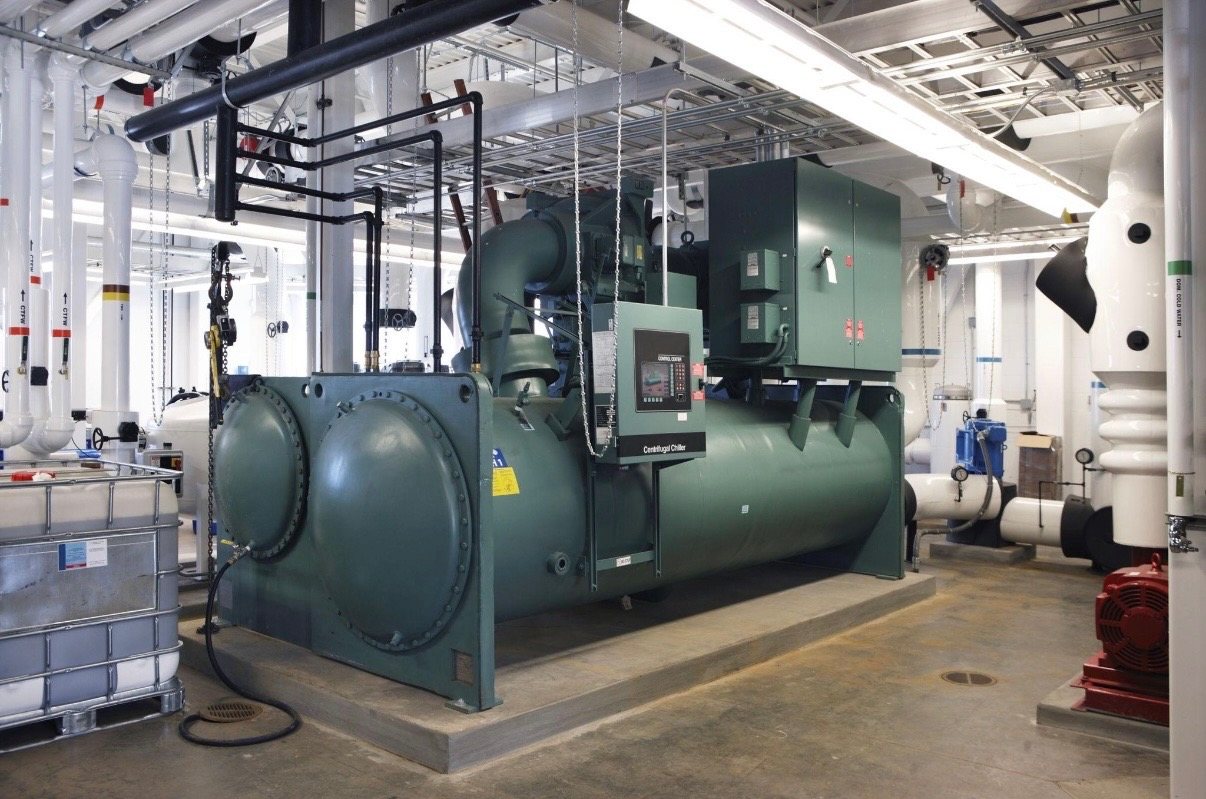
Have a surplus chiller associated with data center closures in Monroe, Louisiana to remove? We are chiller buyers, and a test run is not required to request an upfront cash offer. The buyer handles crane service, rigging, disconnects, refrigerant recovery, loading, hauling and freight. Share the machine's visible details and the site's known restrictions so the work can be coordinated with authorized personnel.
The details worth sending
A nameplate serves as an anchor for the discussion, not a reason to take equipment apart. From an accessible position, photograph the main plate and the machine around it; include model, serial and capacity only where legible. If the site has several similar chillers, label the photograph with the building and unit number so records are not accidentally matched to the wrong asset.
Start with the site's equipment list
Identify the chillers, module count and any associated controls included in the shutdown inventory. Distinguish a retired machine from redundant equipment that must remain ready. A module-by-module inventory, with photographs and inclusion of separate controls, helps define what the buyer may remove without assuming that the whole plant is closing.
Identify the interfaces
Retiring one machine does not necessarily retire the entire loop. Ask the facility's authorized representative to identify shared piping and any systems that must continue operating, using existing drawings where possible. Describe known water or process-fluid interfaces to the buyer. Qualified personnel coordinate isolation and disconnects; the seller should not cut, drain or open connections to obtain an offer.
Identify shared power equipment
Provide the voltage, phase and frequency listed on an accessible nameplate or equipment schedule, if legible. Note any separate starter, drive or control enclosure and whether it is included or shared. Do not open a panel or handle wiring to collect these details. The buyer coordinates qualified disconnect personnel with authorized site staff, who identify isolation boundaries and any equipment that must remain energized.
Determine what must stay active
Coordinate removal around remaining cooling loads, redundant systems and the facility's approved outage window. Facilities staff should identify remaining loads and approve any outage or isolation window. The buyer's team coordinates disconnects with authorized personnel; the seller need not put operational cooling at risk or run a surplus unit for an offer.
Plan from the real address
The regional context for Monroe includes the east side of the Ouachita River and the I-20 corridor. It is in Ouachita Parish. In a large building, the actual equipment-room or roof location matters more than the street address alone; describe the route to loading. Give the street address and the unit's position on the property; a regional highway does not establish which gate, route or loading area can be used at that site. Include the facility's approved access and outage requirements alongside the inventory, especially where other cooling equipment must stay in service.
When the charge is uncertain
Refrigerant information affects the recovery plan, but the seller need not determine the contents by opening the circuit. Photograph safely visible labels and provide service or conversion records if they exist; tell the buyer about any known leak or missing information. The buyer arranges qualified recovery in coordination with the site. Never vent refrigerant or attempt to handle it yourself.
Measure the load, not just the rating
If the equipment schedule has a tonnage, match it to the correct machine and indicate whether the number is for one unit or a combined plant. Also provide available dimensions and any documented shipping or operating weight. A cabinet that fits inside the building may still have attachments that limit its exit; capacity alone says nothing reliable about those clearances.
Fit removal to the site
Flag secured access, roof or yard locations and the route for cranes and freight vehicles. Security, escort rules and an active loading area can constrain access even when a unit is outdoors. Share the equipment's location and site requirements with the buyer so crane and freight planning reflects the actual facility.
Access starts at the unit
A facility address can contain more than one gate, building and equipment room. Specify the right entrance and unit location, along with any escort or vehicle restrictions known to the site. If a roof or indoor route is involved, provide opening dimensions and photographs from safe locations. The removal team will assess turns, floor transitions and overhead clearance as well as the doorway.
Information for the rigger
If the machine must pass through a building opening or over a parapet, show the riggers the relevant route and any measurements already on file. Provide the unit-specific lifting documents and known weights where available. The buyer arranges crane and rigging services; the professional team decides on lifting points and whether an approved component separation is needed.
From staging to hauling
A truck-ready plan begins with the site entrance and a realistic loading area. Tell the buyer about restricted gates, low overhead services, surface limits or delivery traffic that may affect access. Supply equipment dimensions and documented weight when available. The buyer arranges loading, hauling and freight; the route and vehicle arrangement depend on the actual load and property conditions.
A practical first message
To request an upfront cash offer, send the buyer the equipment details and photographs you already have, together with the location and site contact. A missing serial number, incomplete service history or unknown refrigerant can be noted rather than guessed. No equipment testing is required. The buyer reviews the information and coordinates the removal scope and site requirements with the authorized representative.