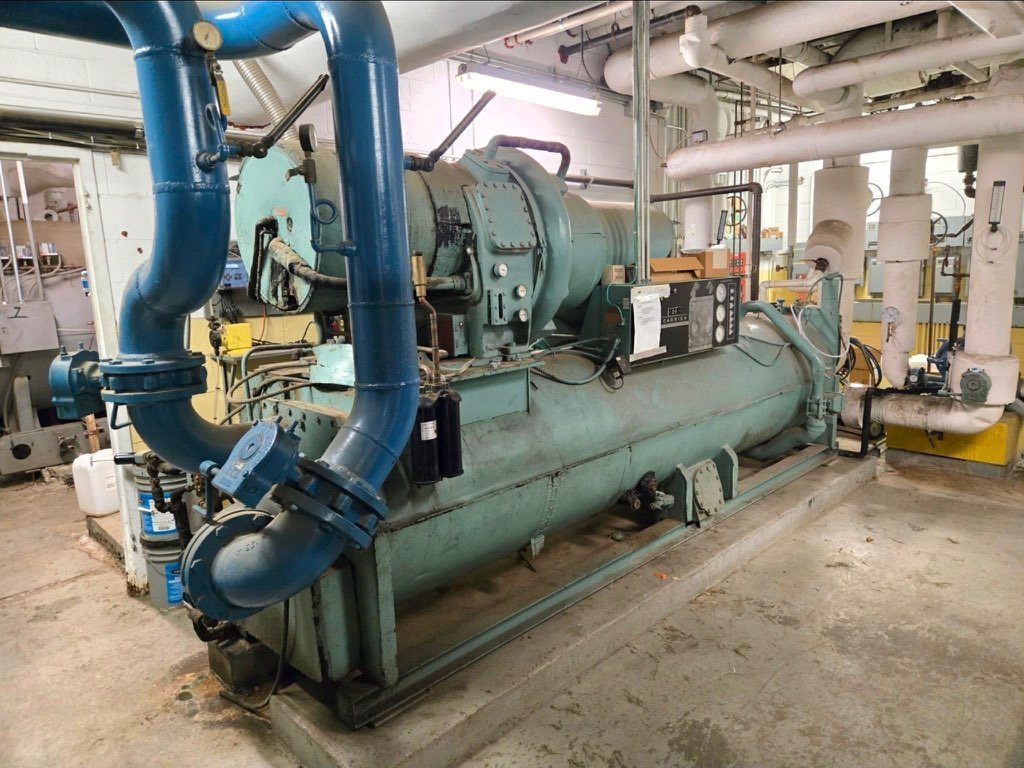
R-134a Chiller Buyers in Lafayette, Louisiana
From surplus unit to removal
If you have a used chiller identified with R-134a refrigerant in Lafayette, Louisiana, we buy chillers rather than sell them. Share what you know for an upfront cash offer; no equipment testing is required. The buyer handles crane service, rigging, disconnects, refrigerant recovery, loading, hauling and freight, coordinating qualified personnel with the site. A precise inventory and an honest account of access restrictions help shape the removal plan.
Keep remaining services in view
Site conditions should be discussed before crews and equipment are assigned. Note any security, escort, loading-hour or shutdown requirements and identify the person authorized to coordinate them. The buyer handles the removal services, while site personnel define their operating and access constraints. Unknown dates or incomplete drawings can be flagged for follow-up rather than filled in with assumptions.
Identify the actual charge information
Confirm the listed refrigerant from the chiller nameplate and share any subsequent conversion records. A machine originally marked with this refrigerant may have a later conversion label or service history. Provide what is visible and distinguish documented information from a recollection; the qualified recovery team must verify the handling approach.
Match the plate to the unit
Match the chiller to its records before sending an equipment list. A photo of the complete machine and a close view of the nameplate help distinguish it from neighboring assets; an equipment schedule can fill some gaps. Tell the buyer when a model, serial number or capacity comes from a drawing rather than the actual plate, and leave uncertain details marked as such.
What you can see safely
Idle equipment does not need to be restarted to demonstrate it. Share a dated service record if available, note missing parts and describe only damage visible from a safe position. If the unit was removed from service for a known reason, explain that without claiming an internal diagnosis. The buyer can assess the submission without a test run.
Provide the available records
Provide the documented charge quantity if available to help plan recovery equipment and containers. A documented charge is planning information, not a reason for the seller to measure the contents. If the quantity is missing or the label is unreadable, say so and send the remaining unit and service details.
Electrical information for the team
Record power details from labels or drawings already available, and say if the voltage or phase cannot be confirmed. A separate drive or starter may have its own enclosure and removal path, and it may not be part of the purchase. The buyer handles disconnects using qualified personnel, working with authorized staff who control the site's isolation procedures.
Capacity is not shipping weight
Cooling tons describe capacity; they do not tell the freight team how much the machine weighs. Share the rated tons from the plate and the documented operating or shipping weight separately, if available. Give overall length, width and height, including projections, and say whether a separate cabinet has its own dimensions. Mark an estimate clearly instead of presenting it as a measured or documented figure.
Recovery and the work area
Report any known leaks or missing service records without attaching gauges or opening the circuit. A known leak or a damaged line should be reported from a safe position, together with the last available service record. Do not attach gauges, open connections or start the chiller; the buyer's recovery personnel will assess it. Keep the circuit closed and never release refrigerant.
Openings, turns and overhead limits
For an accurate removal discussion, include the street address, equipment location and the site's preferred truck entrance. A door measurement is useful, but the path can also be limited by a turn, low ceiling or floor transition. Describe known obstacles and share photographs where permitted. The buyer's riggers evaluate the route rather than assuming that the chiller will move intact.
Plan from the real address
The regional context for Lafayette includes the Acadiana region and the meeting of I-10 and I-49. It is in Lafayette Parish. A chiller could serve a building, a process, or both; explain its actual role and any services that must remain active. Give the street address and the unit's position on the property; a regional highway does not establish which gate, route or loading area can be used at that site. Include any restrictions on access to the chiller's machinery area so the qualified recovery team can plan around the site.
The actual lifting constraints
The seller can help the lift team by providing existing drawings, documented component weights and a safe view of the equipment's surroundings. Mention known overhead lines, roof edges, floor limits or restricted staging areas. The buyer handles crane service and rigging, with professionals determining the lift method and acceptable setup for the actual unit rather than relying on an estimated load.
Where can the truck load?
If a unit or separate cabinet has to be staged before loading, tell the buyer what space the facility can make available and any restrictions on its use. Share measurements, documented weights and the route through the gate. The buyer arranges loading, hauling and freight; its personnel assess whether the proposed route and vehicle access are workable for the actual load.