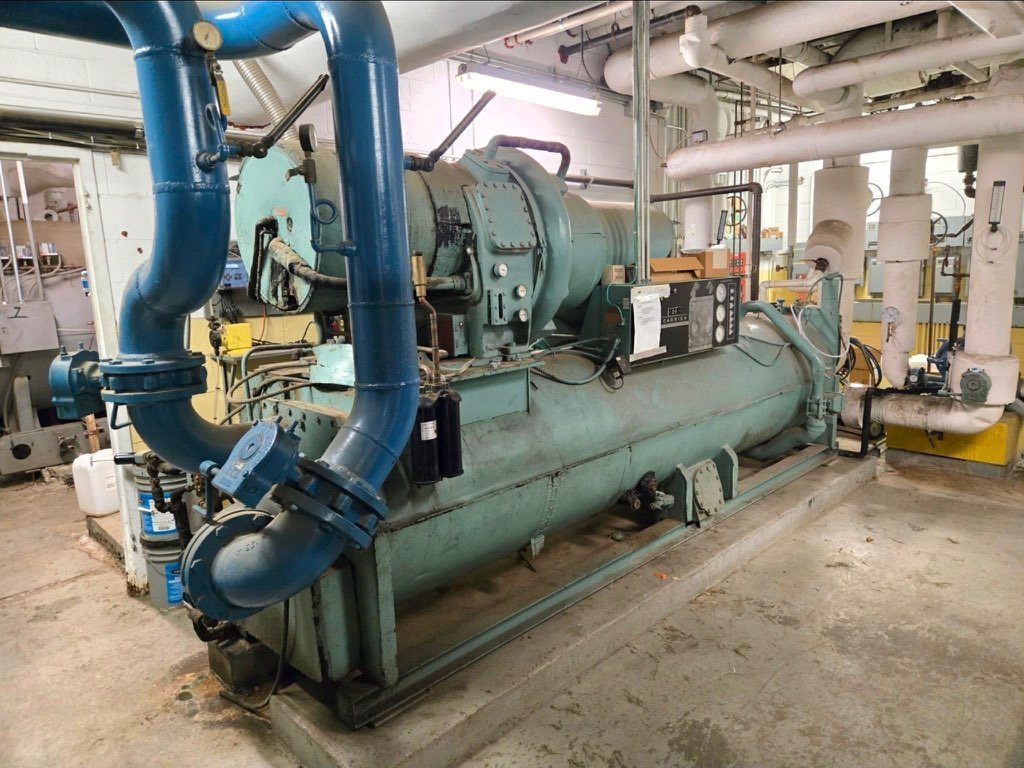
Scroll Chiller Buyers in Lafayette, Louisiana
From surplus unit to removal
If you have a used scroll chiller in Lafayette, Louisiana, we buy chillers rather than sell them. Share what you know for an upfront cash offer; no equipment testing is required. The buyer handles crane service, rigging, disconnects, refrigerant recovery, loading, hauling and freight, coordinating qualified personnel with the site. A precise inventory and an honest account of access restrictions help shape the removal plan.
Where the equipment sits
The regional context for Lafayette includes the Acadiana region and the meeting of I-10 and I-49. It is in Lafayette Parish. A chiller could serve a building, a process, or both; explain its actual role and any services that must remain active. Share the actual address, building and approved entrance where known. The buyer's team must assess the specific property rather than infer a clear route from a regional map. If the scroll chiller is modular, identify the units being offered and where their shared headers are located, if known.
Access and operating constraints
A chiller can be surplus while nearby systems remain essential. Ask the authorized facility representative to identify protected services, shared controls and the people who can approve access. The buyer arranges the work and coordinates the plan with the site, including any qualified disconnect and recovery personnel. Treat timing as subject to actual site approval, not a guaranteed removal date.
Confirm the equipment arrangement
Share the chiller nameplate and any visible compressor labels; do not remove panels to collect them. A visible compressor label and the main chiller plate serve different purposes; a compressor number alone may not identify the full machine. If either is inaccessible, share the information on hand without taking covers off.
Match the plate to the unit
Match the chiller to its records before sending an equipment list. A photo of the complete machine and a close view of the nameplate help distinguish it from neighboring assets; an equipment schedule can fill some gaps. Tell the buyer when a model, serial number or capacity comes from a drawing rather than the actual plate, and leave uncertain details marked as such.
A useful condition history
A candid account is more helpful than a perfect history. Tell the buyer when the chiller last served the facility if known, what parts are missing and whether damage is visible from a safe location. An old repair record does not guarantee current performance, so label uncertain details accordingly. The buyer does not require a test run to review the equipment.
Record what is actually installed
Note the number of compressors or modules visible and whether the rated capacity describes one module or the full system. A bank can contain several modules, each with its own rating. Tell the buyer whether the figure on a schedule is for a single module or the complete system and which modules, if any, are remaining in service.
Plan the disconnects safely
Power information belongs in the inventory even when the chiller is already idle. Share a safe photo of the rating plate and existing electrical drawings if available; identify separate controls and missing information. The buyer handles electrical disconnects through qualified personnel, coordinated with the site's authorized staff. The seller should not switch, probe or dismantle electrical components to prepare for an offer.
Refrigerant records and recovery
If the refrigerant is unknown, say so rather than guessing from the make or compressor type. A photo of the original plate, any later conversion label and existing service notes gives the recovery team a starting point. Recovery is handled by the buyer's appropriately qualified personnel; the seller should neither open the circuit nor vent or mix its contents.
Plan the interfaces and access
Photograph accessible coils, headers and mounting points and describe the route to the loading area. Headers may connect a module to other equipment, and mounting points must be assessed for the actual unit. The seller can show the layout safely; qualified personnel decide whether and how the equipment can be separated and moved.
Capacity is not shipping weight
When a record says tons, ask whether that figure describes cooling output for one unit or for a group. It is not the load weight for rigging. Supply physical dimensions and a documented shipping or operating weight if known, and specify whether protrusions and separate cabinets are included. If the document does not say, let the buyer know rather than filling the gap with an estimate.
Openings, turns and overhead limits
Describe the path from the machine to a loading area, not just the mailing address. Note the floor or roof, door widths, turns, overhead pipes, stairs and any changes in level that are known. Photographs of tight spots help the buyer's riggers assess the route. Share site rules for escorts, loading zones and permitted access; do not assume the chiller can leave through the nearest door.
The actual lifting constraints
The seller can help the lift team by providing existing drawings, documented component weights and a safe view of the equipment's surroundings. Mention known overhead lines, roof edges, floor limits or restricted staging areas. The buyer handles crane service and rigging, with professionals determining the lift method and acceptable setup for the actual unit rather than relying on an estimated load.
Loading and the road out
A truck-ready plan begins with the site entrance and a realistic loading area. Tell the buyer about restricted gates, low overhead services, surface limits or delivery traffic that may affect access. Supply equipment dimensions and documented weight when available. The buyer arranges loading, hauling and freight; the route and vehicle arrangement depend on the actual load and property conditions.
A practical first message
There is no need to make the machine operational before contacting a buyer. Available photographs, plate details and the location can support an upfront cash offer. Tell the buyer which parts are included and what is still uncertain, including access or refrigerant information. The removal team can work through those details with the facility before the work is arranged.