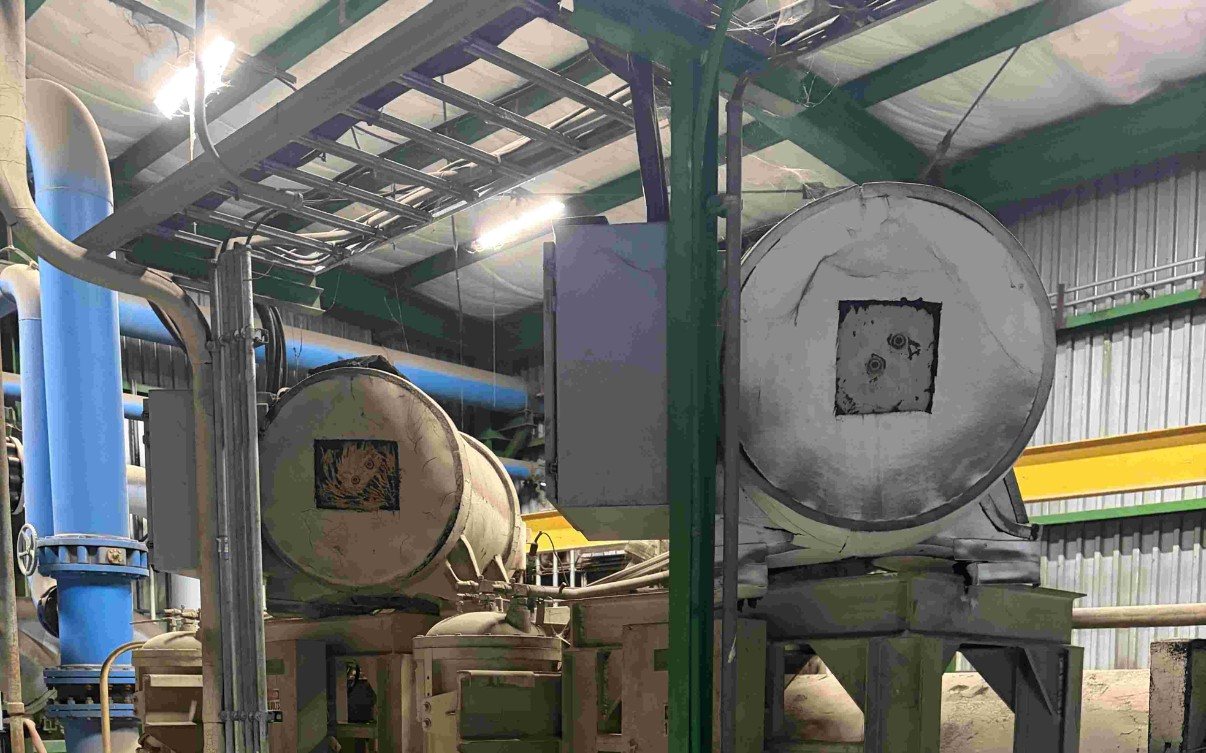
Trane Chiller Buyers in Lafayette, Louisiana
Offer and removal scope
Have a used Trane chiller in Lafayette, Louisiana to remove? We are chiller buyers, and a test run is not required to request an upfront cash offer. The buyer handles crane service, rigging, disconnects, refrigerant recovery, loading, hauling and freight. Share the machine's visible details and the site's known restrictions so the work can be coordinated with authorized personnel.
Capacity is not shipping weight
Cooling tons describe capacity; they do not tell the freight team how much the machine weighs. Share the rated tons from the plate and the documented operating or shipping weight separately, if available. Give overall length, width and height, including projections, and say whether a separate cabinet has its own dimensions. Mark an estimate clearly instead of presenting it as a measured or documented figure.
Start with the unit's labels
Provide the Trane model and serial numbers from the unit nameplate, along with the rated tons when available. If a facility schedule and the plate disagree, send both and identify which is which. The number on a building schedule may describe a plant rather than the individual machine, so do not convert an estimate into a definite unit rating.
Make the equipment list clear
If several chillers are available, list each machine separately with its location, model and rated capacity where known. Mark missing parts and distinguish individual modules from a complete bank. Identify control cabinets or other components included in the proposed purchase and anything that must stay. A separate line for each asset helps the buyer plan recovery, lifting and freight without confusing plant totals with unit ratings.
Keep the circuit closed
A refrigerant label should travel with any later retrofit or service documentation so the recovery team sees the whole recorded history. Give the stated quantity only if documented and describe known damage without touching the circuit. The buyer arranges appropriately qualified personnel for recovery; leave valves closed and never vent refrigerant to make a machine easier to move.
Which components belong to the chiller?
Note whether the machine is connected to a condenser-water loop or has outdoor condenser coils, and share photos of the visible connections. Those two arrangements have different connections to discuss, but the name alone does not establish which one is present. Include a wide exterior picture and label any separate cabinet that is part of the equipment being offered.
Electrical information for the team
A site representative can point out which control cabinets belong to the chiller and which must remain. The buyer's qualified personnel coordinate the electrical disconnect with that representative. For the initial review, an accessible nameplate photograph or existing schedule is enough to communicate the listed power information; the seller should not probe, open or operate electrical equipment.
Agree on the work boundaries
An approved work window and a site contact are more useful than a proposed date that no one has confirmed. Identify access, escort and shutdown restrictions, and explain which cooling or process services must continue. The buyer coordinates the removal work with authorized personnel. Where the schedule or operating boundaries remain undecided, flag those questions for the facility rather than guessing.
Document the route and lift
Flag restricted mechanical-room doors, overhead obstructions and any known lifting instructions for the specific unit. The narrowest point may be a turn or an obstruction above the travel path rather than the door itself. If the building retains other cooling equipment, tell the removal team what must stay protected and in service.
The actual lifting constraints
A lift plan depends on more than the cooling rating. Provide the known equipment dimensions, documented weights, roof or room access and any instructions that came with the unit. Tell the buyer about known overhead or ground restrictions and whether staging space is limited. The buyer arranges crane service and professional rigging; qualified personnel determine the lifting and separation method.
Local context, actual site
The regional context for Lafayette includes the Acadiana region and the meeting of I-10 and I-49. It is in Lafayette Parish. A chiller could serve a building, a process, or both; explain its actual role and any services that must remain active. A regional route or facility category cannot establish the conditions at a particular property. Provide the street address, building or yard location, and any known gate, loading or access restrictions for the actual chiller. If a separate starter or control is included, show where it sits relative to the chiller and the path to the loading area.
Openings, turns and overhead limits
A rooftop, basement, mechanical room and fenced yard each create different access questions. Provide the actual building and unit location, any known opening dimensions and a safe photo of the route. Mention screens, parapets, overhead services or a tight corner if present. Site restrictions should be confirmed with authorized staff rather than inferred from a map or from the machine's size.
From staging to hauling
Moving a chiller off its foundation and getting it onto a truck are separate planning steps. Show the proposed staging and loading area, identify any site traffic restrictions and share the measurements you have. The buyer coordinates loading, hauling and freight with the riggers. If the route or truck position is unknown, say so rather than assuming a particular vehicle will fit.