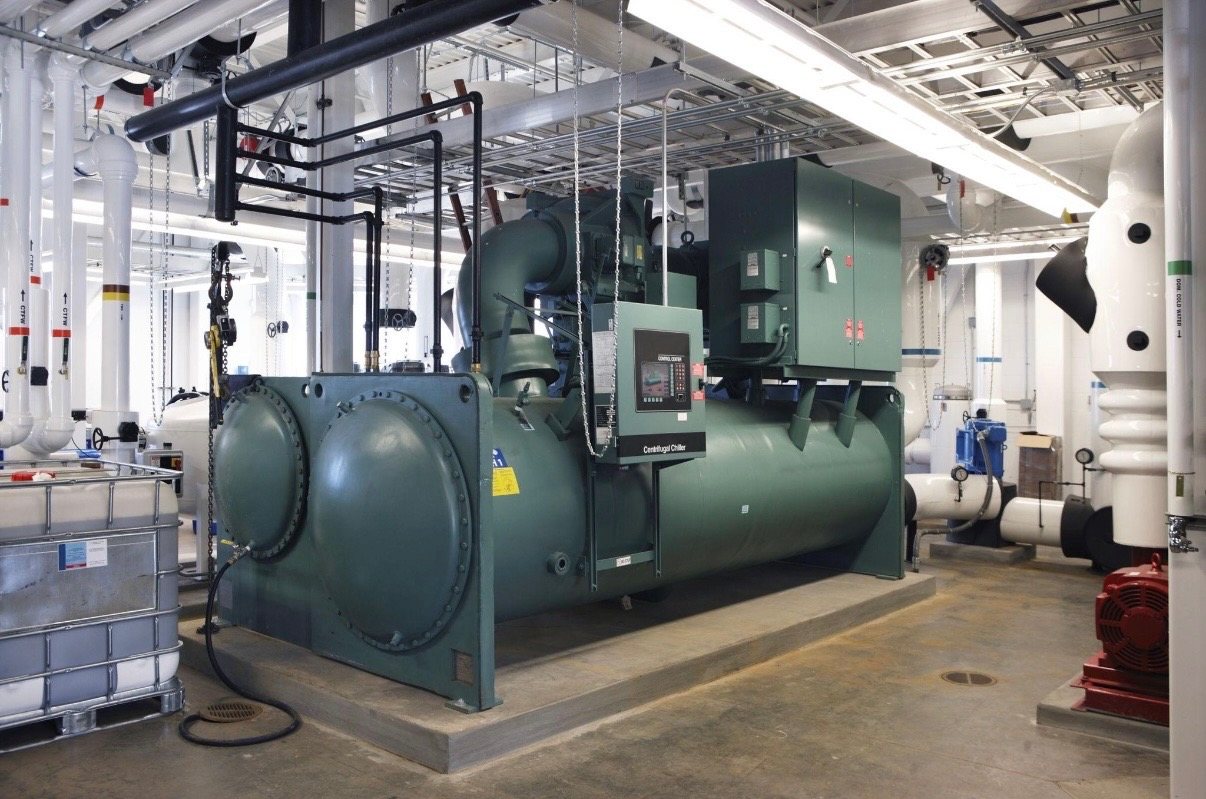
Multistack Chiller Buyers in Pineville, Louisiana
A buyer for your chiller
An owner with a used Multistack chiller in Pineville, Louisiana can begin with photographs and available records; no equipment testing is required. We buy chillers and provide an upfront cash offer. The buyer handles crane service, rigging, disconnects, refrigerant recovery, loading, hauling and freight, coordinating with authorized site personnel. An unknown detail is worth flagging; it does not need to be turned into a guess.
Local context, actual site
The regional context for Pineville includes the east side of the Red River across from Alexandria. It is in Rapides Parish. Tell the buyer the equipment building and entrance, and flag any known bridge or site-routing constraint for the freight team to review. Share the actual address, building and approved entrance where known. The buyer's team must assess the specific property rather than infer a clear route from a regional map. If a separate starter or control is included, show where it sits relative to the chiller and the path to the loading area.
One machine or several?
If several chillers are available, list each machine separately with its location, model and rated capacity where known. Mark missing parts and distinguish individual modules from a complete bank. Identify control cabinets or other components included in the proposed purchase and anything that must stay. A separate line for each asset helps the buyer plan recovery, lifting and freight without confusing plant totals with unit ratings.
Match the plate to the equipment
Photograph the Multistack system nameplate and individual module nameplates where safely accessible. Keep each module's plate paired with its position in the bank if possible. A system schedule can also help, but distinguish a bank-wide rating from a number that belongs to an individual module and leave illegible fields unguessed.
When the history is incomplete
A photo of the whole machine, close views of visible wear and a short note about known faults provide useful context. If there was a shutdown or previous repair, include the date only when known and distinguish a recollection from a documented record. The buyer can review the information without asking you to run or test the chiller.
Cooling tons and transport size
If a modular bank is involved, a building's total capacity can obscure the size of each piece. State how many modules are offered and which nameplate rating applies to each, if visible. The freight team also needs the actual outside dimensions and documented weight: a cooling ton is a capacity measure, not the weight of a shipping load.
Photograph the equipment in context
Count the modules and note whether the stated tonnage is per module or for the complete bank. A module count is not a substitute for the rating on each plate. Tell the buyer if the sale includes the entire bank or only certain modules, and whether any remaining modules must continue serving the building.
Electrical information for the team
A site representative can point out which control cabinets belong to the chiller and which must remain. The buyer's qualified personnel coordinate the electrical disconnect with that representative. For the initial review, an accessible nameplate photograph or existing schedule is enough to communicate the listed power information; the seller should not probe, open or operate electrical equipment.
Refrigerant records and recovery
A refrigerant label should travel with any later retrofit or service documentation so the recovery team sees the whole recorded history. Give the stated quantity only if documented and describe known damage without touching the circuit. The buyer arranges appropriately qualified personnel for recovery; leave valves closed and never vent refrigerant to make a machine easier to move.
Separate the scope from the assumptions
Share photos of common headers, wiring and available clearance so qualified personnel can plan any module separation and removal. Headers and controls may be shared by equipment that is not being sold. Site personnel and the buyer's qualified team should identify interfaces and decide on any separation; the owner need not dismantle or disconnect the bank to request an offer.
Access and operating constraints
An owner, facilities manager and building occupant may have different responsibilities. Identify who can approve access and isolation, and tell the buyer about any remaining cooling load or shared controls. The buyer coordinates qualified work and transport with the site. If an outage window has not been approved, describe it as undecided instead of committing another party to a date.
Access starts at the unit
Describe the path from the machine to a loading area, not just the mailing address. Note the floor or roof, door widths, turns, overhead pipes, stairs and any changes in level that are known. Photographs of tight spots help the buyer's riggers assess the route. Share site rules for escorts, loading zones and permitted access; do not assume the chiller can leave through the nearest door.
The actual lifting constraints
If the machine must pass through a building opening or over a parapet, show the riggers the relevant route and any measurements already on file. Provide the unit-specific lifting documents and known weights where available. The buyer arranges crane and rigging services; the professional team decides on lifting points and whether an approved component separation is needed.
Freight begins at the gate
After the machine leaves its installed position, it still needs a safe staging place and a truck-accessible loading area. Share the location of gates, internal roads and any known overhead or vehicle restrictions. The buyer coordinates loading, hauling and freight. The freight team will evaluate the actual load dimensions and route rather than assuming that a nearby highway solves access inside the property.