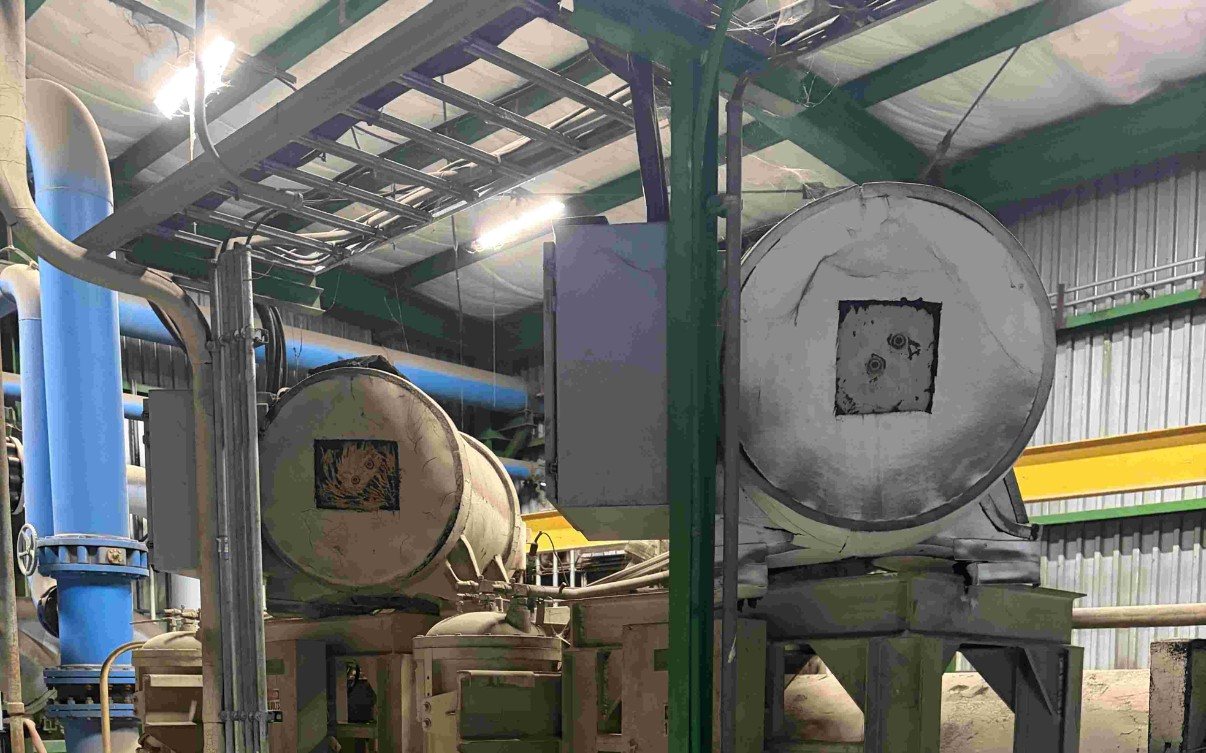
Trane Chiller Buyers in Ruston, Louisiana
Offer and removal scope
We purchase a used Trane chiller in Ruston, Louisiana; we do not sell chillers. The process starts with an upfront cash offer based on the information available, with no equipment test required. The buyer handles crane service, rigging, disconnects, refrigerant recovery, loading, hauling and freight. Site staff and appropriately qualified personnel coordinate the work around actual equipment and facility constraints.
Access and operating constraints
An owner, facilities manager and building occupant may have different responsibilities. Identify who can approve access and isolation, and tell the buyer about any remaining cooling load or shared controls. The buyer coordinates qualified work and transport with the site. If an outage window has not been approved, describe it as undecided instead of committing another party to a date.
Start with the unit's labels
Provide the Trane model and serial numbers from the unit nameplate, along with the rated tons when available. If a facility schedule and the plate disagree, send both and identify which is which. The number on a building schedule may describe a plant rather than the individual machine, so do not convert an estimate into a definite unit rating.
Make the equipment list clear
The scope of a purchase should be clear before removal is planned. Name the machine or machines being offered and identify included modules, controls and separate cabinets if known. Note any equipment that is shared or will stay at the property. Photographs labeled by building or unit help avoid mixing records from two similar chillers, especially when a plant schedule contains combined capacities.
Plan the disconnects safely
A separate power cabinet can affect both the sale scope and the removal route. If known, provide the nameplate voltage, phase and frequency and say whether the cabinet serves only this machine. Site personnel and the buyer's qualified disconnect team coordinate electrical isolation; never open a cabinet or attempt electrical work merely to gather details for the buyer.
Which components belong to the chiller?
Note whether the machine is connected to a condenser-water loop or has outdoor condenser coils, and share photos of the visible connections. Those two arrangements have different connections to discuss, but the name alone does not establish which one is present. Include a wide exterior picture and label any separate cabinet that is part of the equipment being offered.
When the charge is uncertain
Share the refrigerant designation and charge quantity from the plate or records if available, along with any retrofit label. The original plate does not necessarily describe a later conversion, and an unknown charge should stay unknown until qualified personnel assess it. The buyer handles refrigerant recovery with appropriately qualified personnel. Keep the circuit closed: do not attach gauges, transfer or vent refrigerant.
Measure the load, not just the rating
If the equipment schedule has a tonnage, match it to the correct machine and indicate whether the number is for one unit or a combined plant. Also provide available dimensions and any documented shipping or operating weight. A cabinet that fits inside the building may still have attachments that limit its exit; capacity alone says nothing reliable about those clearances.
Document the route and lift
Flag restricted mechanical-room doors, overhead obstructions and any known lifting instructions for the specific unit. The narrowest point may be a turn or an obstruction above the travel path rather than the door itself. If the building retains other cooling equipment, tell the removal team what must stay protected and in service.
Access starts at the unit
For an accurate removal discussion, include the street address, equipment location and the site's preferred truck entrance. A door measurement is useful, but the path can also be limited by a turn, low ceiling or floor transition. Describe known obstacles and share photographs where permitted. The buyer's riggers evaluate the route rather than assuming that the chiller will move intact.
The actual lifting constraints
The seller can help the lift team by providing existing drawings, documented component weights and a safe view of the equipment's surroundings. Mention known overhead lines, roof edges, floor limits or restricted staging areas. The buyer handles crane service and rigging, with professionals determining the lift method and acceptable setup for the actual unit rather than relying on an estimated load.
Where the equipment sits
The regional context for Ruston includes north Louisiana and the I-20 corridor. It is in Lincoln Parish. For a campus or occupied building, the facilities team can identify the unit, operating dependencies and allowable access window. Give the street address and the unit's position on the property; a regional highway does not establish which gate, route or loading area can be used at that site. If a separate starter or control is included, show where it sits relative to the chiller and the path to the loading area.
From staging to hauling
The relevant address for a pickup includes more than a postal code. Identify the truck entrance, security requirements and the point at which equipment can be loaded, if the site has selected one. Documented weight and physical dimensions are important to planning the load. The buyer handles loading, hauling and freight, coordinating the approach with the facility and rigging team.
Request an offer
A useful first message does not need every field completed. Identify the chiller and its location, send safe photographs and disclose known damage, missing records or access restrictions. The buyer provides an upfront cash offer without requiring equipment testing and handles the removal work in coordination with the site. Further details can be clarified as the actual scope is reviewed.