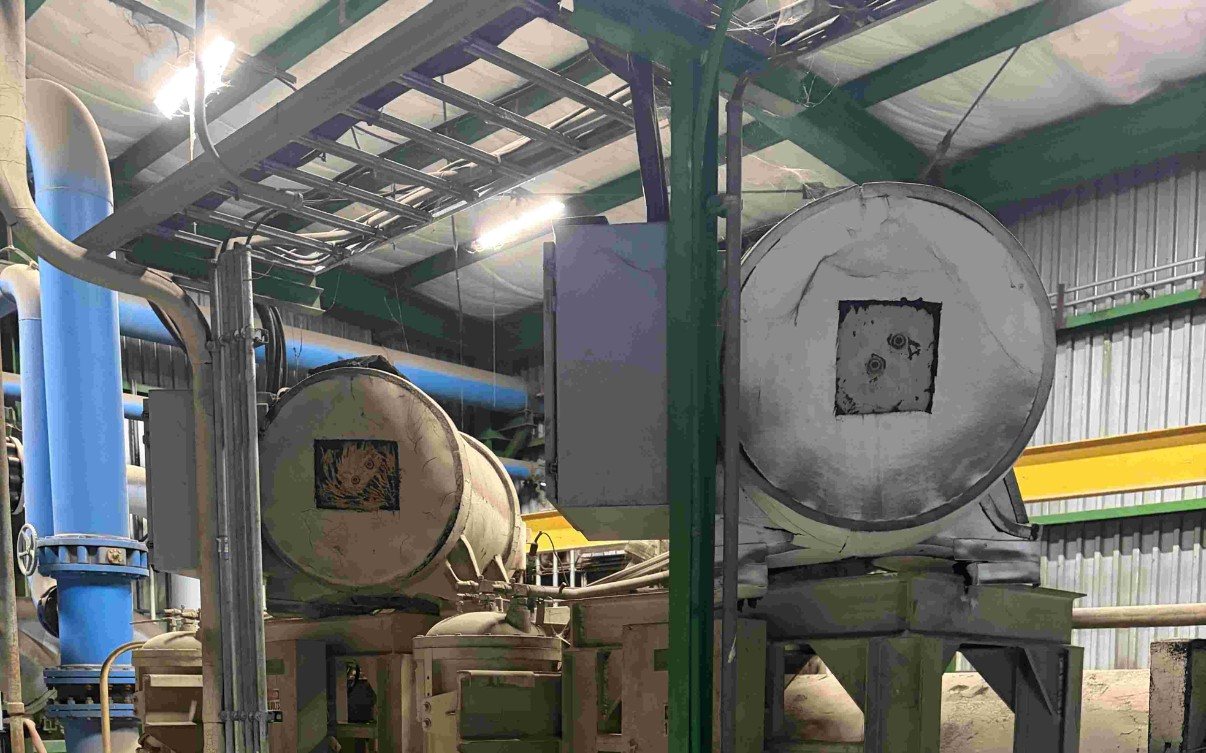
Trane Chiller Buyers in Shreveport, Louisiana
A buyer for your chiller
We purchase a used Trane chiller in Shreveport, Louisiana; we do not sell chillers. The process starts with an upfront cash offer based on the information available, with no equipment test required. The buyer handles crane service, rigging, disconnects, refrigerant recovery, loading, hauling and freight. Site staff and appropriately qualified personnel coordinate the work around actual equipment and facility constraints.
Where the equipment sits
The regional context for Shreveport includes the Shreveport–Bossier area and the I-20 and I-49 corridors. It extends into Caddo Parish and Bossier Parish; confirm the parish for the property. Because the city spans more than one parish, confirm the street address and actual parish, particularly near a boundary. Give the street address and the unit's position on the property; a regional highway does not establish which gate, route or loading area can be used at that site. If a separate starter or control is included, show where it sits relative to the chiller and the path to the loading area.
What you can see safely
A photo of the whole machine, close views of visible wear and a short note about known faults provide useful context. If there was a shutdown or previous repair, include the date only when known and distinguish a recollection from a documented record. The buyer can review the information without asking you to run or test the chiller.
Match the plate to the equipment
Provide the Trane model and serial numbers from the unit nameplate, along with the rated tons when available. If a facility schedule and the plate disagree, send both and identify which is which. The number on a building schedule may describe a plant rather than the individual machine, so do not convert an estimate into a definite unit rating.
Two very different measurements
A truck and crane are selected around the real load, not the chiller's rated cooling tons. Send available length, width, height and documented weight for the machine and for any separate included enclosure. Also share the nameplate capacity so the buyer can identify the equipment. It is fine to say that dimensions or a weight still need confirmation.
Describe the configuration
An equipment name may describe heat rejection, a compressor, or a modular system rather than the complete installation. Share exterior pictures of the whole machine, visible connections and any separate controls. Indicate which components are included and which must remain. If you are unsure whether the unit is air-cooled, water-cooled or configured another way, leave that question open for review.
Photograph the equipment in context
Note whether the machine is connected to a condenser-water loop or has outdoor condenser coils, and share photos of the visible connections. Those two arrangements have different connections to discuss, but the name alone does not establish which one is present. Include a wide exterior picture and label any separate cabinet that is part of the equipment being offered.
When the charge is uncertain
If the refrigerant is unknown, say so rather than guessing from the make or compressor type. A photo of the original plate, any later conversion label and existing service notes gives the recovery team a starting point. Recovery is handled by the buyer's appropriately qualified personnel; the seller should neither open the circuit nor vent or mix its contents.
Electrical information for the team
An electrical schedule may identify voltage, phase, frequency and a remote starter even when the main machine is disconnected. Share the documents and safe exterior photos, noting whether controls are included or serve other units. The buyer coordinates qualified electrical disconnect personnel with the site. Do not open energized or closed cabinets, test circuits or disturb wiring to prepare a description.
Document the route and lift
Flag restricted mechanical-room doors, overhead obstructions and any known lifting instructions for the specific unit. The narrowest point may be a turn or an obstruction above the travel path rather than the door itself. If the building retains other cooling equipment, tell the removal team what must stay protected and in service.
Coordinate with the facility
A chiller can be surplus while nearby systems remain essential. Ask the authorized facility representative to identify protected services, shared controls and the people who can approve access. The buyer arranges the work and coordinates the plan with the site, including any qualified disconnect and recovery personnel. Treat timing as subject to actual site approval, not a guaranteed removal date.
The actual lifting constraints
Give the buyer any available shipping weights, lifting drawings and pictures of the machine's surroundings. Explain known limits on crane setup, floor loading, overhead clearance or staging space, and note where information is unavailable. The buyer coordinates the crane and qualified riggers. An equipment plate or a general diagram is useful context, but it is not a substitute for a site-specific lift plan.
From the chiller to the loading area
Describe the path from the machine to a loading area, not just the mailing address. Note the floor or roof, door widths, turns, overhead pipes, stairs and any changes in level that are known. Photographs of tight spots help the buyer's riggers assess the route. Share site rules for escorts, loading zones and permitted access; do not assume the chiller can leave through the nearest door.
From staging to hauling
A good freight discussion includes the equipment's documented weight, outside dimensions, gate location and space available to load. Identify narrow internal roads, overhead obstructions or restrictions on large vehicles if known. The buyer handles loading and hauling as part of the freight arrangement, while its team checks the actual route with the site. Cooling tons alone cannot establish transport requirements.