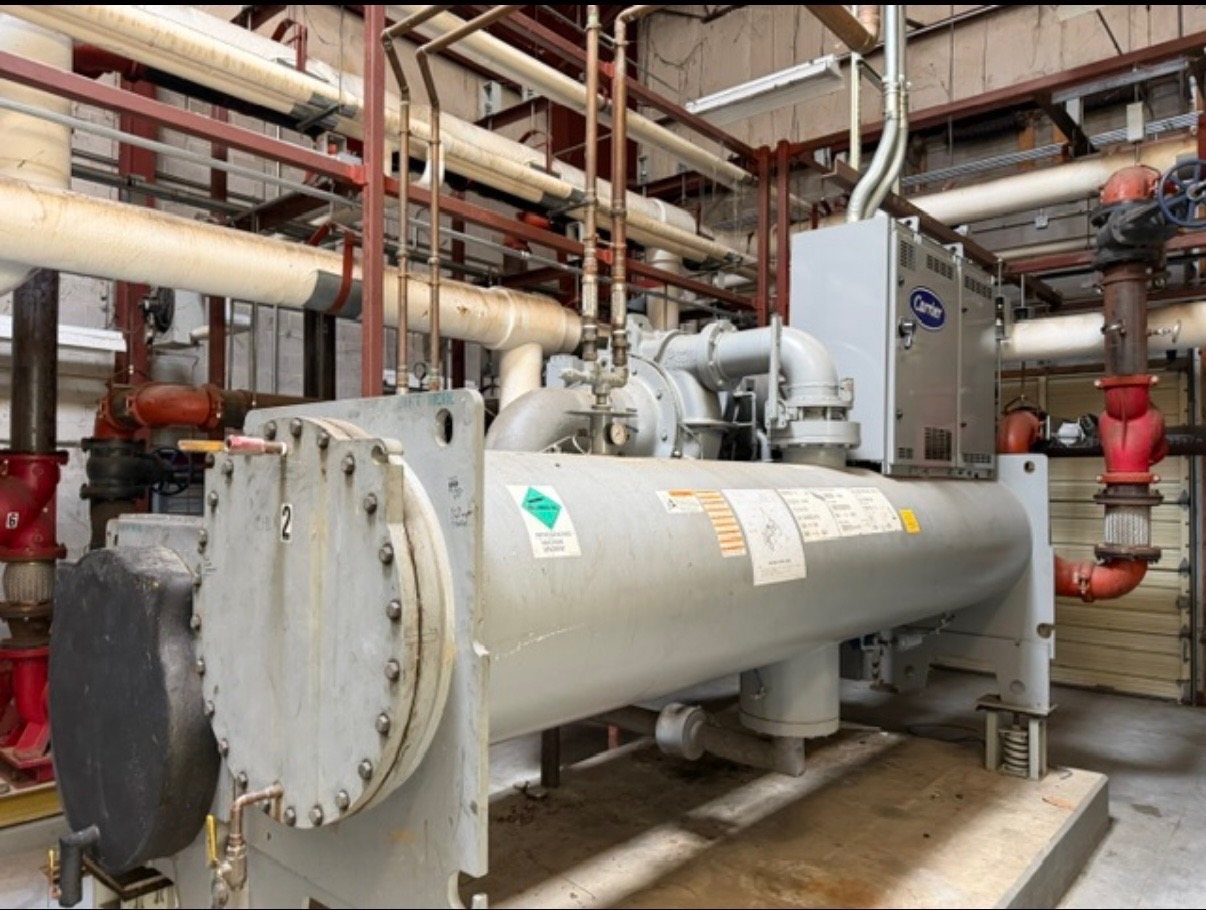
Data center closures Chiller Buyers in Alexandria, Louisiana
A practical way to start
Have a surplus chiller associated with data center closures in Alexandria, Louisiana to remove? We are chiller buyers, and a test run is not required to request an upfront cash offer. The buyer handles crane service, rigging, disconnects, refrigerant recovery, loading, hauling and freight. Share the machine's visible details and the site's known restrictions so the work can be coordinated with authorized personnel.
Define the purchase scope
For a multi-unit property, separate the inventory by building, room and machine. Include the plate details and any separate components that are safely identifiable, and distinguish what is being offered from equipment still needed on site. The buyer can then discuss the actual scope and handling requirements without treating a building-wide cooling figure as a single unit's capacity.
Start with the site's equipment list
Identify the chillers, module count and any associated controls included in the shutdown inventory. Distinguish a retired machine from redundant equipment that must remain ready. A module-by-module inventory, with photographs and inclusion of separate controls, helps define what the buyer may remove without assuming that the whole plant is closing.
Identify the machine
A nameplate serves as an anchor for the discussion, not a reason to take equipment apart. From an accessible position, photograph the main plate and the machine around it; include model, serial and capacity only where legible. If the site has several similar chillers, label the photograph with the building and unit number so records are not accidentally matched to the wrong asset.
Power and separate controls
Existing drawings and exterior photos can help identify electrical interfaces, including a remote starter or shared controls. Record plate voltage and phase only if safely visible; an unreadable value can remain unknown. The buyer arranges qualified electrical disconnects in coordination with the site, so there is no reason for the owner to expose conductors or test the system.
Coordinate the isolation boundaries
Coordinate removal around remaining cooling loads, redundant systems and the facility's approved outage window. Facilities staff should identify remaining loads and approve any outage or isolation window. The buyer's team coordinates disconnects with authorized personnel; the seller need not put operational cooling at risk or run a surplus unit for an offer.
When the charge is uncertain
Tell the buyer whether a refrigerant designation comes from a nameplate, a later conversion label or a service record. If the source is missing or the charge is unknown, say that plainly. The buyer handles recovery with qualified personnel. There is no reason for the seller to fit gauges, open a valve, mix refrigerants or release any contents.
Two very different measurements
When a record says tons, ask whether that figure describes cooling output for one unit or for a group. It is not the load weight for rigging. Supply physical dimensions and a documented shipping or operating weight if known, and specify whether protrusions and separate cabinets are included. If the document does not say, let the buyer know rather than filling the gap with an estimate.
Fit removal to the site
Flag secured access, roof or yard locations and the route for cranes and freight vehicles. Security, escort rules and an active loading area can constrain access even when a unit is outdoors. Share the equipment's location and site requirements with the buyer so crane and freight planning reflects the actual facility.
From the chiller to the loading area
Describe the path from the machine to a loading area, not just the mailing address. Note the floor or roof, door widths, turns, overhead pipes, stairs and any changes in level that are known. Photographs of tight spots help the buyer's riggers assess the route. Share site rules for escorts, loading zones and permitted access; do not assume the chiller can leave through the nearest door.
Local context, actual site
The regional context for Alexandria includes central Louisiana and the Red River and I-49 corridors. It is in Rapides Parish. If the property has multiple buildings, give the buyer the correct building and loading entrance as well as the unit's dimensions. A regional route or facility category cannot establish the conditions at a particular property. Provide the street address, building or yard location, and any known gate, loading or access restrictions for the actual chiller. Include the facility's approved access and outage requirements alongside the inventory, especially where other cooling equipment must stay in service.
Crane and rigging considerations
A lift plan depends on more than the cooling rating. Provide the known equipment dimensions, documented weights, roof or room access and any instructions that came with the unit. Tell the buyer about known overhead or ground restrictions and whether staging space is limited. The buyer arranges crane service and professional rigging; qualified personnel determine the lifting and separation method.
From staging to hauling
After the machine leaves its installed position, it still needs a safe staging place and a truck-accessible loading area. Share the location of gates, internal roads and any known overhead or vehicle restrictions. The buyer coordinates loading, hauling and freight. The freight team will evaluate the actual load dimensions and route rather than assuming that a nearby highway solves access inside the property.