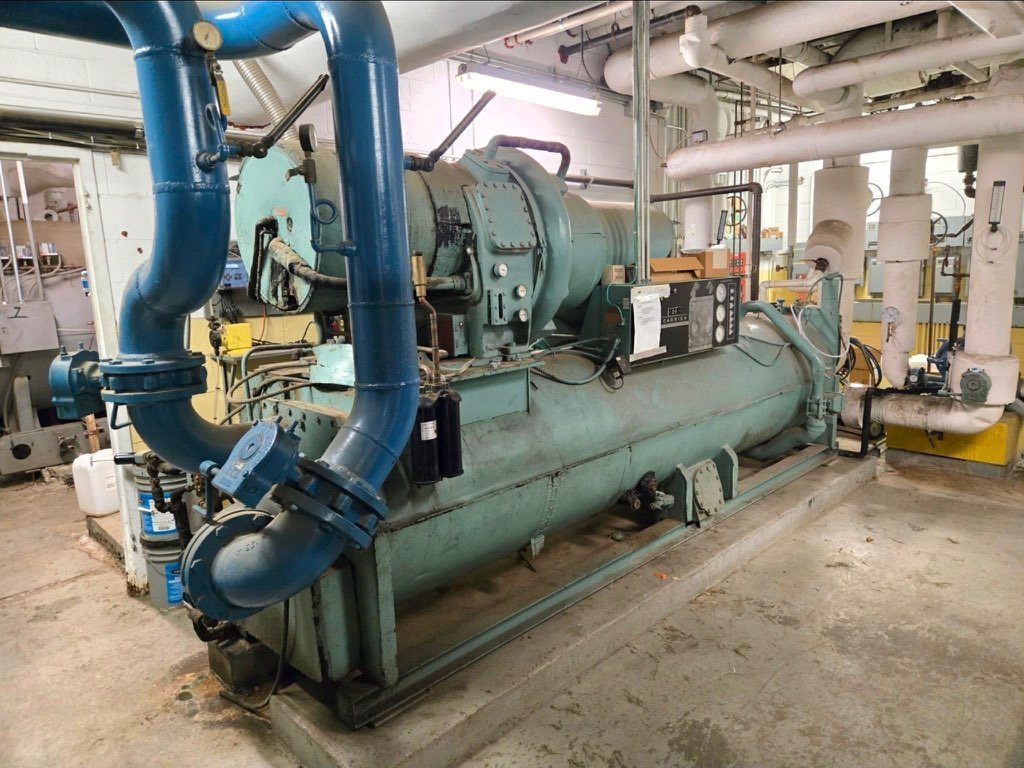
Screw Chiller Buyers in Alexandria, Louisiana
From surplus unit to removal
We purchase a used screw chiller in Alexandria, Louisiana; we do not sell chillers. The process starts with an upfront cash offer based on the information available, with no equipment test required. The buyer handles crane service, rigging, disconnects, refrigerant recovery, loading, hauling and freight. Site staff and appropriately qualified personnel coordinate the work around actual equipment and facility constraints.
Access and operating constraints
Site conditions should be discussed before crews and equipment are assigned. Note any security, escort, loading-hour or shutdown requirements and identify the person authorized to coordinate them. The buyer handles the removal services, while site personnel define their operating and access constraints. Unknown dates or incomplete drawings can be flagged for follow-up rather than filled in with assumptions.
Start with the visible configuration
Photograph the unit nameplate and visible compressor housings; note how many compressors are present if clearly visible. Do not assume the number of compressors from the word screw. If the housings or labels are not visible without opening a cover, say the count is unknown and provide a safe overall photo instead.
Identify the machine
Start with the main nameplate: a legible model, serial number, manufacturer and rated capacity can anchor the review. A wide photo showing the plate's location is useful if several machines are close together. Include a separate control or starter plate only if visible safely, and say when a number cannot be read. Do not open a cabinet or remove a guard to obtain information.
What you can see safely
Describe the condition you can actually observe: visible corrosion, missing covers or controls, known damage, or whether the machine has been idle. Provide maintenance records if they exist, but do not infer a working condition from an old invoice. No equipment test is required for a cash offer, and a seller should not start the unit or open electrical or refrigerant components to collect information.
Details that affect the review
Share available maintenance history, including oil or compressor service records, without opening the system. An older service invoice can establish what work was reported, but it does not guarantee present condition. Flag incomplete maintenance history, known damage and missing parts honestly; no operating demonstration is needed to start a review.
Identify shared power equipment
Existing drawings and exterior photos can help identify electrical interfaces, including a remote starter or shared controls. Record plate voltage and phase only if safely visible; an unreadable value can remain unknown. The buyer arranges qualified electrical disconnects in coordination with the site, so there is no reason for the owner to expose conductors or test the system.
When the charge is uncertain
A label and a service record can tell different parts of the chiller's refrigerant history. Send both, identify the machine they belong to, and note any uncertainty about the designation or quantity. The buyer coordinates appropriately qualified recovery personnel for the actual system. Leave valves and connections untouched and do not release refrigerant, even if the unit has been idle for years.
Account for the equipment path
Identify visible fluid and electrical connections and note the equipment's location and removal clearances. Include any separate power or control cabinet if it belongs in the transaction, and identify lines that the site believes are shared. Qualified personnel plan the disconnects while the buyer's riggers evaluate the path and lift.
Measure the load, not just the rating
When a record says tons, ask whether that figure describes cooling output for one unit or for a group. It is not the load weight for rigging. Supply physical dimensions and a documented shipping or operating weight if known, and specify whether protrusions and separate cabinets are included. If the document does not say, let the buyer know rather than filling the gap with an estimate.
From the chiller to the loading area
Describe the path from the machine to a loading area, not just the mailing address. Note the floor or roof, door widths, turns, overhead pipes, stairs and any changes in level that are known. Photographs of tight spots help the buyer's riggers assess the route. Share site rules for escorts, loading zones and permitted access; do not assume the chiller can leave through the nearest door.
Plan the lift around the site
Give the buyer any available shipping weights, lifting drawings and pictures of the machine's surroundings. Explain known limits on crane setup, floor loading, overhead clearance or staging space, and note where information is unavailable. The buyer coordinates the crane and qualified riggers. An equipment plate or a general diagram is useful context, but it is not a substitute for a site-specific lift plan.
Plan from the real address
The regional context for Alexandria includes central Louisiana and the Red River and I-49 corridors. It is in Rapides Parish. If the property has multiple buildings, give the buyer the correct building and loading entrance as well as the unit's dimensions. Share the actual address, building and approved entrance where known. The buyer's team must assess the specific property rather than infer a clear route from a regional map. For this screw chiller, identify accessible compressor and connection photos with the correct equipment location.
From staging to hauling
Moving a chiller off its foundation and getting it onto a truck are separate planning steps. Show the proposed staging and loading area, identify any site traffic restrictions and share the measurements you have. The buyer coordinates loading, hauling and freight with the riggers. If the route or truck position is unknown, say so rather than assuming a particular vehicle will fit.
Send the information on hand
Share what is known now rather than delaying until the file is perfect. A plate, a few safe exterior photos and the site's location give the buyer a starting point for an upfront cash offer. An unknown rating or incomplete history is acceptable to report as unknown. No test is needed; the buyer and site representative can discuss the removal plan and any outstanding questions.