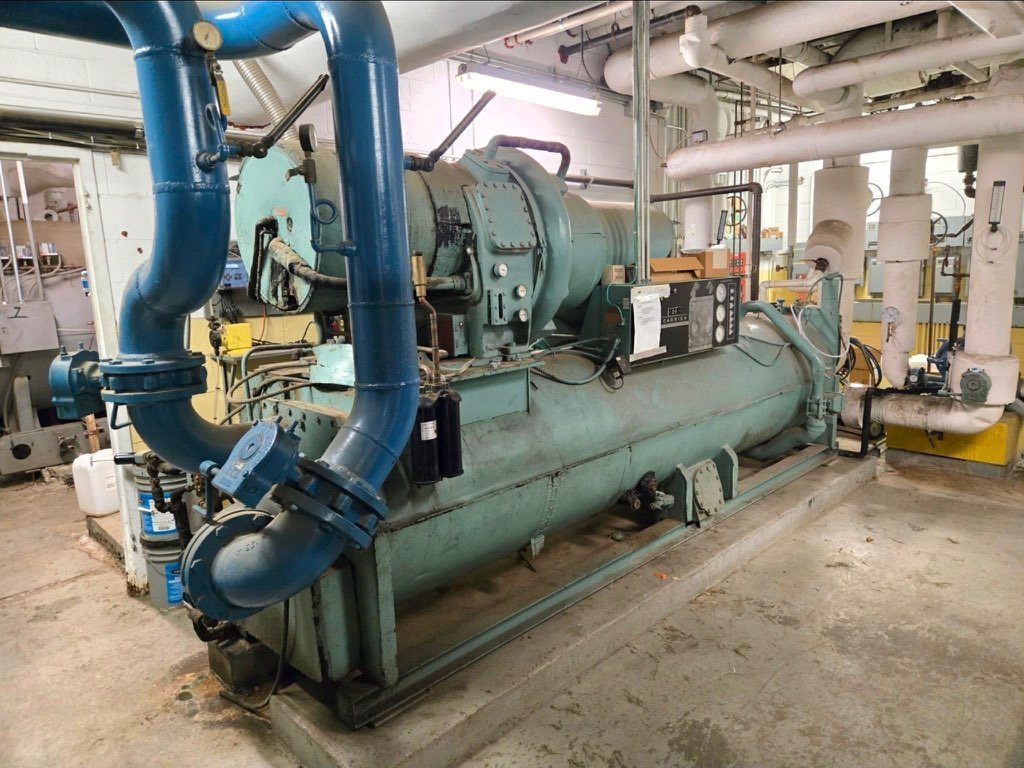
Data center closures Chiller Buyers in Kenner, Louisiana
From surplus unit to removal
Have a surplus chiller associated with data center closures in Kenner, Louisiana to remove? We are chiller buyers, and a test run is not required to request an upfront cash offer. The buyer handles crane service, rigging, disconnects, refrigerant recovery, loading, hauling and freight. Share the machine's visible details and the site's known restrictions so the work can be coordinated with authorized personnel.
Where the equipment sits
The regional context for Kenner includes western greater New Orleans and the airport-side I-10 corridor. It is in Jefferson Parish. For an airport-area property, ask the site about delivery entrances, security and operating-hour restrictions rather than assuming truck access. Give the street address and the unit's position on the property; a regional highway does not establish which gate, route or loading area can be used at that site. Include the facility's approved access and outage requirements alongside the inventory, especially where other cooling equipment must stay in service.
The details worth sending
A short identification packet can save a later round of questions: photograph the unit as installed, its accessible nameplate and any separate cabinet included in the transaction. List the model, serial number and rated cooling capacity if legible. Missing documentation is not a barrier to starting a conversation, and the seller does not need to take panels off.
Identify the surplus equipment
Identify the chillers, module count and any associated controls included in the shutdown inventory. Distinguish a retired machine from redundant equipment that must remain ready. A module-by-module inventory, with photographs and inclusion of separate controls, helps define what the buyer may remove without assuming that the whole plant is closing.
When the history is incomplete
A photo of the whole machine, close views of visible wear and a short note about known faults provide useful context. If there was a shutdown or previous repair, include the date only when known and distinguish a recollection from a documented record. The buyer can review the information without asking you to run or test the chiller.
Two very different measurements
When a record says tons, ask whether that figure describes cooling output for one unit or for a group. It is not the load weight for rigging. Supply physical dimensions and a documented shipping or operating weight if known, and specify whether protrusions and separate cabinets are included. If the document does not say, let the buyer know rather than filling the gap with an estimate.
Protect remaining operations
Coordinate removal around remaining cooling loads, redundant systems and the facility's approved outage window. Facilities staff should identify remaining loads and approve any outage or isolation window. The buyer's team coordinates disconnects with authorized personnel; the seller need not put operational cooling at risk or run a surplus unit for an offer.
Plan the disconnects safely
A site representative can point out which control cabinets belong to the chiller and which must remain. The buyer's qualified personnel coordinate the electrical disconnect with that representative. For the initial review, an accessible nameplate photograph or existing schedule is enough to communicate the listed power information; the seller should not probe, open or operate electrical equipment.
Refrigerant records and recovery
Refrigerant information affects the recovery plan, but the seller need not determine the contents by opening the circuit. Photograph safely visible labels and provide service or conversion records if they exist; tell the buyer about any known leak or missing information. The buyer arranges qualified recovery in coordination with the site. Never vent refrigerant or attempt to handle it yourself.
Access and the approved work window
Flag secured access, roof or yard locations and the route for cranes and freight vehicles. Security, escort rules and an active loading area can constrain access even when a unit is outdoors. Share the equipment's location and site requirements with the buyer so crane and freight planning reflects the actual facility.
Openings, turns and overhead limits
For an accurate removal discussion, include the street address, equipment location and the site's preferred truck entrance. A door measurement is useful, but the path can also be limited by a turn, low ceiling or floor transition. Describe known obstacles and share photographs where permitted. The buyer's riggers evaluate the route rather than assuming that the chiller will move intact.
Crane and rigging considerations
If a unit is above grade or inside a constrained room, describe the possible route and any known structural or overhead limits. A safe photo of the surrounding area can help, along with unit-specific rigging documents. The buyer's rigging team assesses lift points, crane position and whether components can move as assembled. The seller is not expected to perform rigging or dismantling.
Freight begins at the gate
The relevant address for a pickup includes more than a postal code. Identify the truck entrance, security requirements and the point at which equipment can be loaded, if the site has selected one. Documented weight and physical dimensions are important to planning the load. The buyer handles loading, hauling and freight, coordinating the approach with the facility and rigging team.
Request an offer
Share what is known now rather than delaying until the file is perfect. A plate, a few safe exterior photos and the site's location give the buyer a starting point for an upfront cash offer. An unknown rating or incomplete history is acceptable to report as unknown. No test is needed; the buyer and site representative can discuss the removal plan and any outstanding questions.