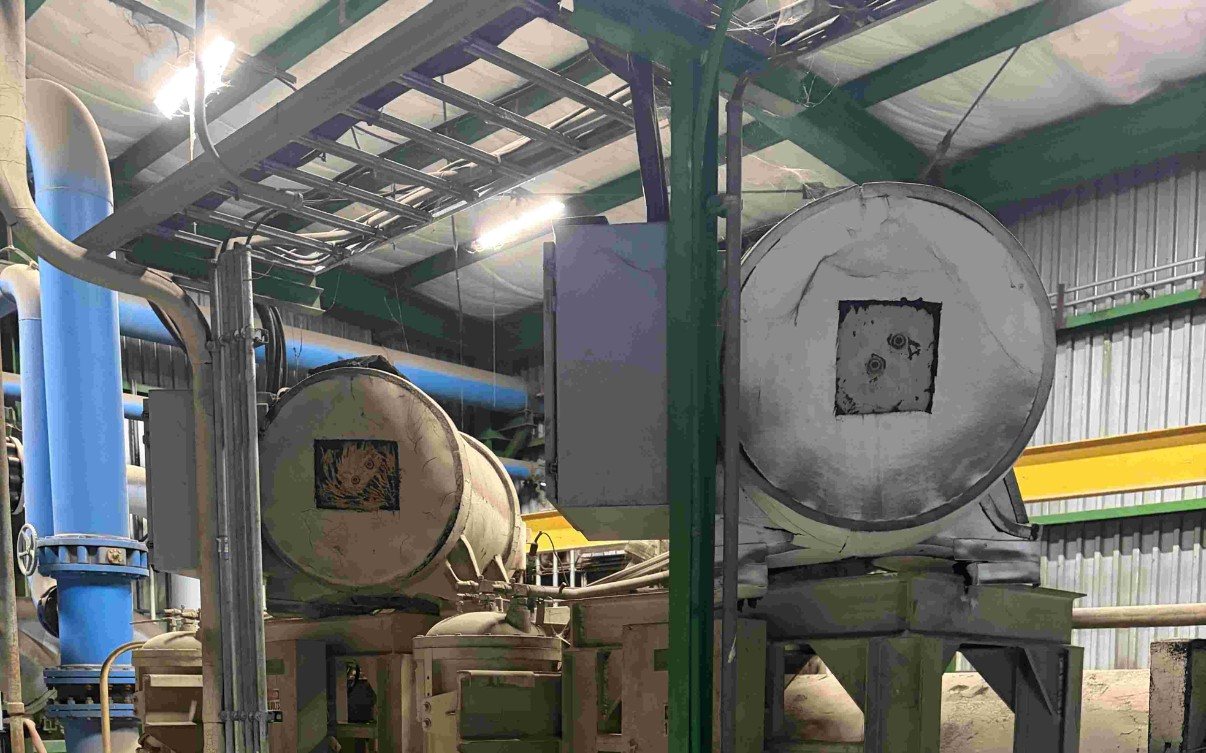
Data center closures Chiller Buyers in Shreveport, Louisiana
A practical way to start
An owner with a surplus chiller associated with data center closures in Shreveport, Louisiana can begin with photographs and available records; no equipment testing is required. We buy chillers and provide an upfront cash offer. The buyer handles crane service, rigging, disconnects, refrigerant recovery, loading, hauling and freight, coordinating with authorized site personnel. An unknown detail is worth flagging; it does not need to be turned into a guess.
Access starts at the unit
The first obstacle may be inside the building rather than on the road. Tell the buyer where the unit sits, how it is reached and where a truck might be allowed to load. Identify narrow openings, overhead obstructions and any restricted travel paths from existing measurements. The buyer's professional team verifies the route and determines the handling plan for the specific equipment.
Define the shutdown inventory
Identify the chillers, module count and any associated controls included in the shutdown inventory. Distinguish a retired machine from redundant equipment that must remain ready. A module-by-module inventory, with photographs and inclusion of separate controls, helps define what the buyer may remove without assuming that the whole plant is closing.
Cooling tons and transport size
When a record says tons, ask whether that figure describes cooling output for one unit or for a group. It is not the load weight for rigging. Supply physical dimensions and a documented shipping or operating weight if known, and specify whether protrusions and separate cabinets are included. If the document does not say, let the buyer know rather than filling the gap with an estimate.
Crane and rigging considerations
Give the buyer any available shipping weights, lifting drawings and pictures of the machine's surroundings. Explain known limits on crane setup, floor loading, overhead clearance or staging space, and note where information is unavailable. The buyer coordinates the crane and qualified riggers. An equipment plate or a general diagram is useful context, but it is not a substitute for a site-specific lift plan.
Coordinate the isolation boundaries
Coordinate removal around remaining cooling loads, redundant systems and the facility's approved outage window. Facilities staff should identify remaining loads and approve any outage or isolation window. The buyer's team coordinates disconnects with authorized personnel; the seller need not put operational cooling at risk or run a surplus unit for an offer.
Freight begins at the gate
The buyer handles loading, hauling and freight as well as the rigging that gets the equipment to the truck. For planning, identify the actual loading area, gate width and any restrictions on large vehicles or staging. A regional highway may be nearby, but the last stretch into a property can still be constrained. The freight team assesses the actual route and load dimensions.
The details worth sending
Before compiling an equipment list, check whether the record identifies an individual chiller or the whole plant. Send the buyer the safest available photograph of the actual unit and its label, together with any matching schedule. A plate that is obscured or missing can be described honestly; do not remove a cover or enter a restricted area to obtain it.
Discuss the practical removal path
Flag secured access, roof or yard locations and the route for cranes and freight vehicles. Security, escort rules and an active loading area can constrain access even when a unit is outdoors. Share the equipment's location and site requirements with the buyer so crane and freight planning reflects the actual facility.
Plan the disconnects safely
Record power details from labels or drawings already available, and say if the voltage or phase cannot be confirmed. A separate drive or starter may have its own enclosure and removal path, and it may not be part of the purchase. The buyer handles disconnects using qualified personnel, working with authorized staff who control the site's isolation procedures.
Local context, actual site
The regional context for Shreveport includes the Shreveport–Bossier area and the I-20 and I-49 corridors. It extends into Caddo Parish and Bossier Parish; confirm the parish for the property. Because the city spans more than one parish, confirm the street address and actual parish, particularly near a boundary. A regional route or facility category cannot establish the conditions at a particular property. Provide the street address, building or yard location, and any known gate, loading or access restrictions for the actual chiller. Include the facility's approved access and outage requirements alongside the inventory, especially where other cooling equipment must stay in service.
Identify the interfaces
Identify visible water or process connections from existing labels or drawings, and flag any lines shared with equipment that remains. The site should explain known fluid or contamination concerns and who controls the isolation boundaries. The buyer coordinates qualified disconnects and appropriate fluid handling with authorized personnel. Do not drain or open an unfamiliar line just to prepare the machine for review.
Labels, history and safe recovery
Tell the buyer whether a refrigerant designation comes from a nameplate, a later conversion label or a service record. If the source is missing or the charge is unknown, say that plainly. The buyer handles recovery with qualified personnel. There is no reason for the seller to fit gauges, open a valve, mix refrigerants or release any contents.