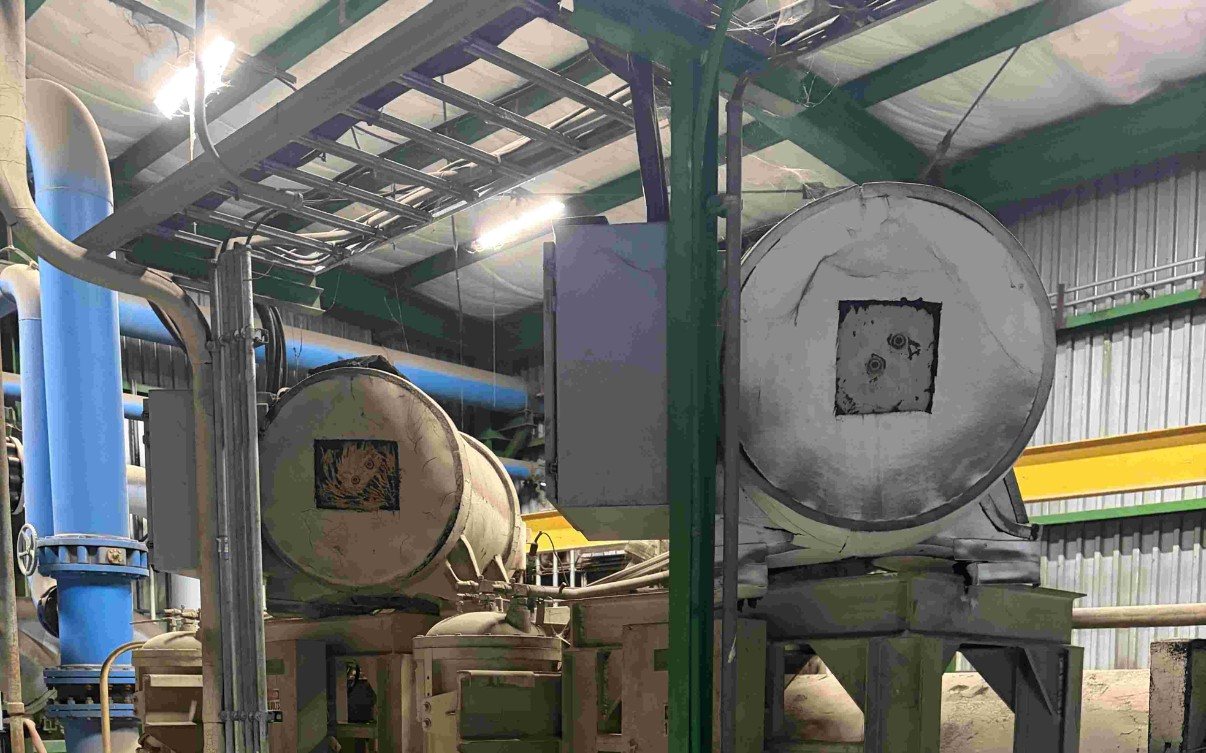
Hospitals Chiller Buyers in New Orleans, Louisiana
From surplus unit to removal
Have a surplus chiller associated with hospitals in New Orleans, Louisiana to remove? We are chiller buyers, and a test run is not required to request an upfront cash offer. The buyer handles crane service, rigging, disconnects, refrigerant recovery, loading, hauling and freight. Share the machine's visible details and the site's known restrictions so the work can be coordinated with authorized personnel.
Openings, turns and overhead limits
Identify where the chiller sits relative to the building entrance and loading area, then mention any known obstacles along that path. A narrow door, low pipe, tight turn or roof parapet may matter more than distance to the road. Provide existing measurements or photographs when permitted. The buyer's riggers verify the actual route and do not rely on an assumed clear opening.
Define the shutdown inventory
Identify the chiller and any shared chilled-water connections using available equipment schedules or photos. A central plant may have several machines on a shared loop. Identify the exact chiller being offered, the equipment that must stay, and any associated controls using the facility schedule or accessible nameplate photographs.
Two very different measurements
A capacity on a plant schedule may cover several machines, while a module plate may describe only one. Identify which figure applies to the equipment being offered. For moving it, the more relevant information is the physical envelope, documented weight and any protruding connections. If those details are missing, say so; a cooling-ton figure cannot be converted into a dependable lift weight.
Crane and rigging considerations
A lift plan depends on more than the cooling rating. Provide the known equipment dimensions, documented weights, roof or room access and any instructions that came with the unit. Tell the buyer about known overhead or ground restrictions and whether staging space is limited. The buyer arranges crane service and professional rigging; qualified personnel determine the lifting and separation method.
Coordinate the isolation boundaries
Coordinate with facilities staff so removal does not interrupt active cooling, patient services or other essential systems. The facility decides how patient services and active cooling remain protected. The buyer coordinates with authorized staff on the approved isolation and disconnect plan; no test run is necessary just to seek an offer for the retired unit.
Loading and the road out
If a unit or separate cabinet has to be staged before loading, tell the buyer what space the facility can make available and any restrictions on its use. Share measurements, documented weights and the route through the gate. The buyer arranges loading, hauling and freight; its personnel assess whether the proposed route and vehicle access are workable for the actual load.
Start with the nameplate
A short identification packet can save a later round of questions: photograph the unit as installed, its accessible nameplate and any separate cabinet included in the transaction. List the model, serial number and rated cooling capacity if legible. Missing documentation is not a barrier to starting a conversation, and the seller does not need to take panels off.
Discuss the practical removal path
Discuss access, infection-control or noise restrictions, and the approved lifting and loading window. Loading or lifting may have to coexist with patient routes, deliveries and occupied areas. Provide the site's actual noise, access and infection-control requirements when known, without assuming all hospitals apply the same restrictions.
What is actually included?
When there are several similar machines, identify the one that is surplus and photograph it in context. List any separate starter, drive, control or module that belongs to the proposed purchase, but do not assume a nearby component is part of it. A drawing or equipment schedule can show the arrangement; incomplete records are still useful when their gaps are identified.
Identify shared power equipment
Existing drawings and exterior photos can help identify electrical interfaces, including a remote starter or shared controls. Record plate voltage and phase only if safely visible; an unreadable value can remain unknown. The buyer arranges qualified electrical disconnects in coordination with the site, so there is no reason for the owner to expose conductors or test the system.
Where the equipment sits
The regional context for New Orleans includes the Mississippi River port setting and the I-10 corridor. It is in Orleans Parish. Dense building locations can have restricted loading areas or building rules; identify the actual entrance and any limits on a crane position. A regional route or facility category cannot establish the conditions at a particular property. Provide the street address, building or yard location, and any known gate, loading or access restrictions for the actual chiller. Include the facility's approved access and outage requirements alongside the inventory, especially where other cooling equipment must stay in service.
What remains connected?
A chiller can be connected to building cooling, condenser water or a process loop, depending on its actual installation. If you know which connections are present, share the drawings and note which services must remain active. When the purpose or contents of a line are uncertain, say so. The buyer's qualified team and site personnel coordinate isolation, disconnects and fluid handling.
Labels, history and safe recovery
Share the refrigerant designation and charge quantity from the plate or records if available, along with any retrofit label. The original plate does not necessarily describe a later conversion, and an unknown charge should stay unknown until qualified personnel assess it. The buyer handles refrigerant recovery with appropriately qualified personnel. Keep the circuit closed: do not attach gauges, transfer or vent refrigerant.