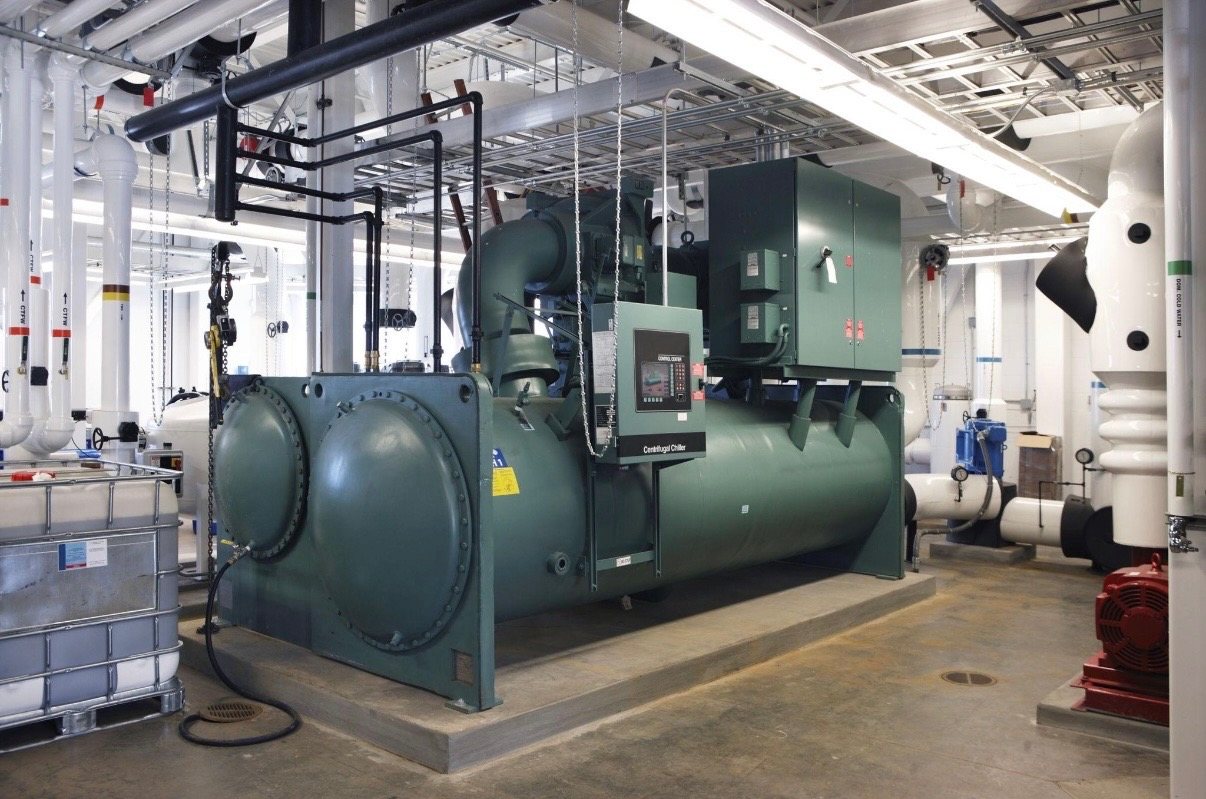
Refinery turnarounds Chiller Buyers in New Orleans, Louisiana
Offer and removal scope
An owner with a surplus chiller associated with refinery turnarounds in New Orleans, Louisiana can begin with photographs and available records; no equipment testing is required. We buy chillers and provide an upfront cash offer. The buyer handles crane service, rigging, disconnects, refrigerant recovery, loading, hauling and freight, coordinating with authorized site personnel. An unknown detail is worth flagging; it does not need to be turned into a guess.
Location and site access
The regional context for New Orleans includes the Mississippi River port setting and the I-10 corridor. It is in Orleans Parish. Dense building locations can have restricted loading areas or building rules; identify the actual entrance and any limits on a crane position. A regional route or facility category cannot establish the conditions at a particular property. Provide the street address, building or yard location, and any known gate, loading or access restrictions for the actual chiller. Include the facility's approved access and outage requirements alongside the inventory, especially where other cooling equipment must stay in service.
Access starts at the unit
A facility address can contain more than one gate, building and equipment room. Specify the right entrance and unit location, along with any escort or vehicle restrictions known to the site. If a roof or indoor route is involved, provide opening dimensions and photographs from safe locations. The removal team will assess turns, floor transitions and overhead clearance as well as the doorway.
Start with the site's equipment list
List the chillers to be removed, their locations and the expected turnaround schedule. Identify each machine separately rather than treating a plant-wide list as a single chiller. Include nameplate photos, what is included with each unit and the site's stated window when known; the buyer need not test equipment.
Two very different measurements
If a modular bank is involved, a building's total capacity can obscure the size of each piece. State how many modules are offered and which nameplate rating applies to each, if visible. The freight team also needs the actual outside dimensions and documented weight: a cooling ton is a capacity measure, not the weight of a shipping load.
The actual lifting constraints
If the machine must pass through a building opening or over a parapet, show the riggers the relevant route and any measurements already on file. Provide the unit-specific lifting documents and known weights where available. The buyer arranges crane and rigging services; the professional team decides on lifting points and whether an approved component separation is needed.
Determine what must stay active
Have the site identify hazardous-area restrictions, permits and any process interfaces before work begins. The facility's authorized team determines site permits and hazardous-area restrictions. Share those requirements early, together with any process interfaces or access limits, without assuming that a particular permit or clearance has already been granted.
Where can the truck load?
Moving a chiller off its foundation and getting it onto a truck are separate planning steps. Show the proposed staging and loading area, identify any site traffic restrictions and share the measurements you have. The buyer coordinates loading, hauling and freight with the riggers. If the route or truck position is unknown, say so rather than assuming a particular vehicle will fit.
Start with the nameplate
A nameplate serves as an anchor for the discussion, not a reason to take equipment apart. From an accessible position, photograph the main plate and the machine around it; include model, serial and capacity only where legible. If the site has several similar chillers, label the photograph with the building and unit number so records are not accidentally matched to the wrong asset.
Access and the approved work window
Plan refrigerant recovery, utility disconnects and crane access with the site's authorized turnaround team. The buyer handles recovery, disconnects and lifting, coordinating the work with the site's turnaround team. Existing shutdown plans may change, so communicate the currently approved window and any changes instead of promising a fixed removal date.
Describe the configuration
Clarify what is included: the main chiller, any separate drive or starter, control cabinet and modules, as applicable. Some components may be shared with a machine that stays. A simple annotated photo or asset list is useful, even when you cannot identify every connection. The buyer can review the actual arrangement with the site rather than assuming every nearby cabinet belongs to the chiller.
Electrical information for the team
Record power details from labels or drawings already available, and say if the voltage or phase cannot be confirmed. A separate drive or starter may have its own enclosure and removal path, and it may not be part of the purchase. The buyer handles disconnects using qualified personnel, working with authorized staff who control the site's isolation procedures.
What remains connected?
Drawings may show whether the chiller interfaces with building water, condenser water or a process circuit. Send what the site has and identify any lines believed to be shared with equipment that stays. The buyer's qualified disconnect team coordinates the work with authorized site personnel, who identify isolation boundaries and known fluid-handling or contamination requirements.
Refrigerant records and recovery
If the refrigerant is unknown, say so rather than guessing from the make or compressor type. A photo of the original plate, any later conversion label and existing service notes gives the recovery team a starting point. Recovery is handled by the buyer's appropriately qualified personnel; the seller should neither open the circuit nor vent or mix its contents.