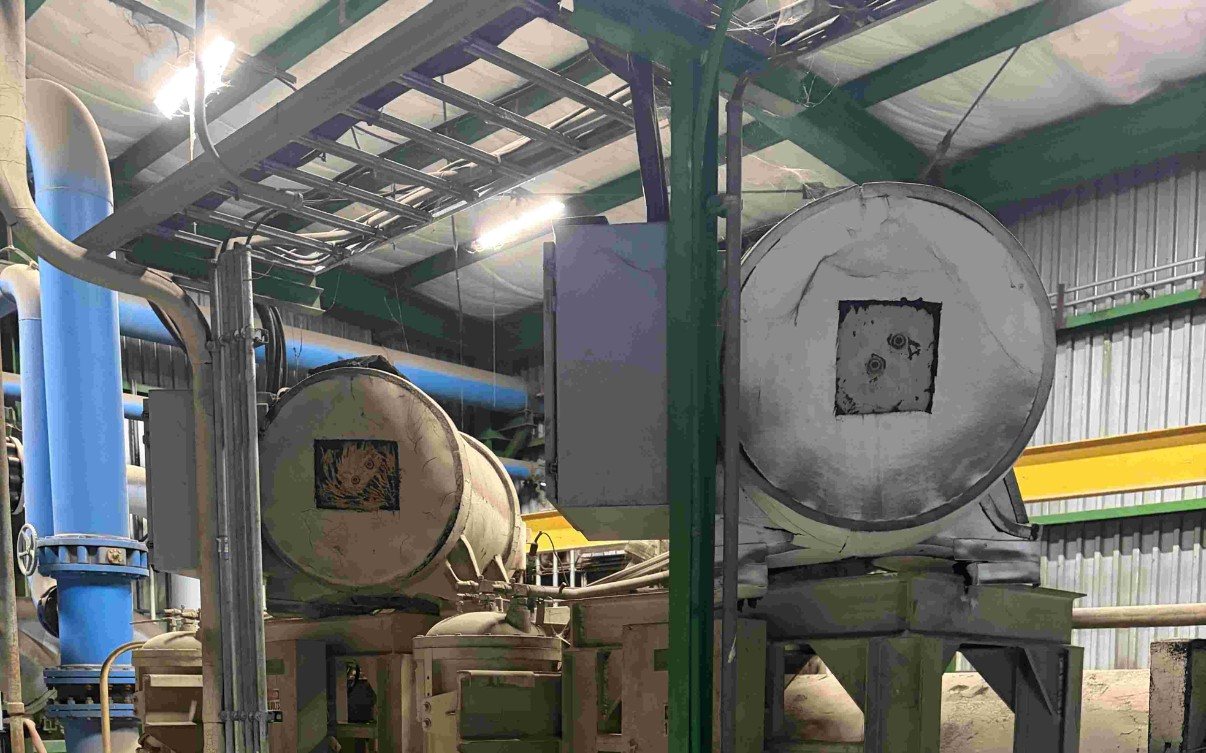
R-22 Chiller Buyers in New Orleans, Louisiana
A buyer for your chiller
If you have a used chiller identified with R-22 refrigerant in New Orleans, Louisiana, we buy chillers rather than sell them. Share what you know for an upfront cash offer; no equipment testing is required. The buyer handles crane service, rigging, disconnects, refrigerant recovery, loading, hauling and freight, coordinating qualified personnel with the site. A precise inventory and an honest account of access restrictions help shape the removal plan.
Local context, actual site
The regional context for New Orleans includes the Mississippi River port setting and the I-10 corridor. It is in Orleans Parish. Dense building locations can have restricted loading areas or building rules; identify the actual entrance and any limits on a crane position. A regional route or facility category cannot establish the conditions at a particular property. Provide the street address, building or yard location, and any known gate, loading or access restrictions for the actual chiller. Include any restrictions on access to the chiller's machinery area so the qualified recovery team can plan around the site.
Start with the nameplate
A short identification packet can save a later round of questions: photograph the unit as installed, its accessible nameplate and any separate cabinet included in the transaction. List the model, serial number and rated cooling capacity if legible. Missing documentation is not a barrier to starting a conversation, and the seller does not need to take panels off.
Read the label and later records
Photograph the refrigerant nameplate and any retrofit label; do not assume the original charge is still present. The original plate and a later conversion label may not agree. Send both with any dated records so the recovery team can determine what information applies to the machine as it stands; a brand or age alone is not proof of the current charge.
Two very different measurements
Cooling tons describe capacity; they do not tell the freight team how much the machine weighs. Share the rated tons from the plate and the documented operating or shipping weight separately, if available. Give overall length, width and height, including projections, and say whether a separate cabinet has its own dimensions. Mark an estimate clearly instead of presenting it as a measured or documented figure.
Map the components
Describe the actual configuration rather than relying on one broad label. Air-cooled and water-cooled describe how heat is rejected; centrifugal, screw and scroll refer to compressor types, and a chiller can have one description from each group. If you do not know the arrangement, exterior photos and available documents are enough to start. Avoid removing panels or assuming a compressor type from the brand.
Provide the available records
Share available refrigerant service and recovery records with the removal team. Previous maintenance notes can identify reported changes or recovery, but gaps are common and should be marked as unknown. Do not connect gauges or attempt to establish the charge by operating the machine just to request an offer.
Plan the disconnects safely
Record power details from labels or drawings already available, and say if the voltage or phase cannot be confirmed. A separate drive or starter may have its own enclosure and removal path, and it may not be part of the purchase. The buyer handles disconnects using qualified personnel, working with authorized staff who control the site's isolation procedures.
Coordinate with the facility
Site conditions should be discussed before crews and equipment are assigned. Note any security, escort, loading-hour or shutdown requirements and identify the person authorized to coordinate them. The buyer handles the removal services, while site personnel define their operating and access constraints. Unknown dates or incomplete drawings can be flagged for follow-up rather than filled in with assumptions.
Plan for the actual circuit
Leave the circuit closed and coordinate recovery through appropriately qualified personnel; never vent refrigerant. The buyer arranges refrigerant recovery using appropriately qualified personnel in coordination with the site. The seller should leave valves and circuit connections untouched; the removal plan must account for the actual equipment and records. Keep the circuit closed and never release refrigerant.
Crane and rigging considerations
The buyer handles the crane and rigging, with a professional lift plan based on the particular machine and site. Share documented weights, manufacturer lifting instructions and photos of visible lifting-point markings if available. Identify overhead wires, nearby structures, ground or floor limits and possible staging space. Do not select a lift point or attempt to separate components yourself; the rigger evaluates the actual conditions.
The route out of the building
The first obstacle may be inside the building rather than on the road. Tell the buyer where the unit sits, how it is reached and where a truck might be allowed to load. Identify narrow openings, overhead obstructions and any restricted travel paths from existing measurements. The buyer's professional team verifies the route and determines the handling plan for the specific equipment.
Freight begins at the gate
A truck-ready plan begins with the site entrance and a realistic loading area. Tell the buyer about restricted gates, low overhead services, surface limits or delivery traffic that may affect access. Supply equipment dimensions and documented weight when available. The buyer arranges loading, hauling and freight; the route and vehicle arrangement depend on the actual load and property conditions.